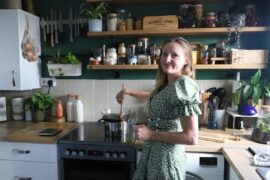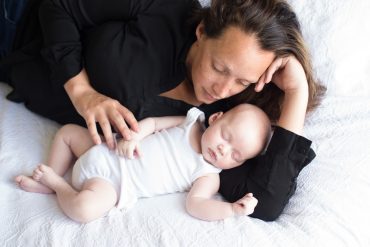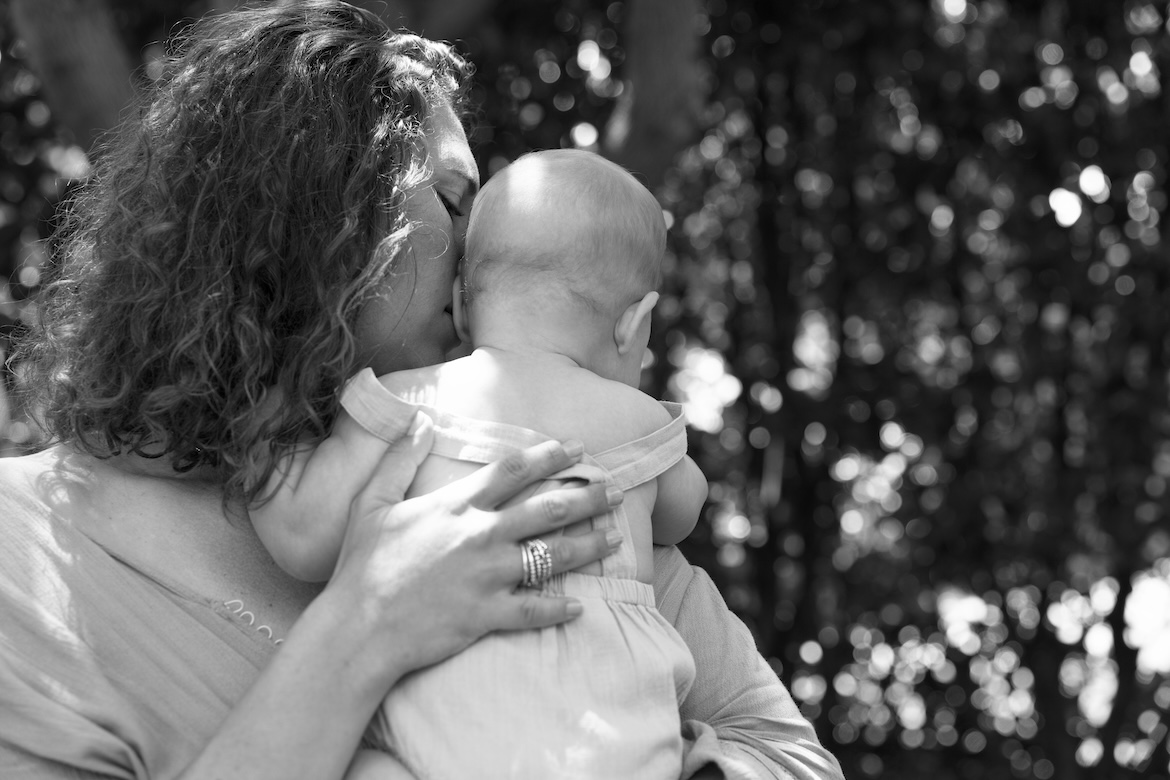
Ashley Hommersom is an Accredited Social Worker, Counsellor, and certified Motherhood Studies Practitioner with over 15 years of experience supporting individuals and families through complex life challenges. She is the founder of Kintsugi Counselling, where she supports women through trauma, matrescence and the complex identity shifts of motherhood. Passionate about creating spaces where people feel seen, safe and supported to heal and grow, she has created a business that reflects her values of empowerment, authenticity and compassionate care. Blending her professional expertise with her lived experience as a mum of three, she offers women a nurturing, trauma-informed environment to explore healing, identity and the beauty found in life’s imperfections.
The passion: What inspired you to set up your business?
After over a decade as a social worker and counsellor in the non-government sector and government health, I began to feel the dissonance between my personal values and the systems I was working within. I loved supporting people through their healing, growth and transformation, but I longed to do so in a way that felt more empowering, creative and sustainable. At the same time, I was navigating my own difficulties with fertility and burnout – both of which made me reflect deeply on what I needed to feel whole.
I wanted to continue doing meaningful work, but in a way that aligned with my values of empowerment, authenticity and nurturing. Kintsugi Counselling was born from that desire – to create a space that honours the beauty in imperfection, the courage in healing and transformation, and the sacred balance between professional purpose and personal wellbeing.
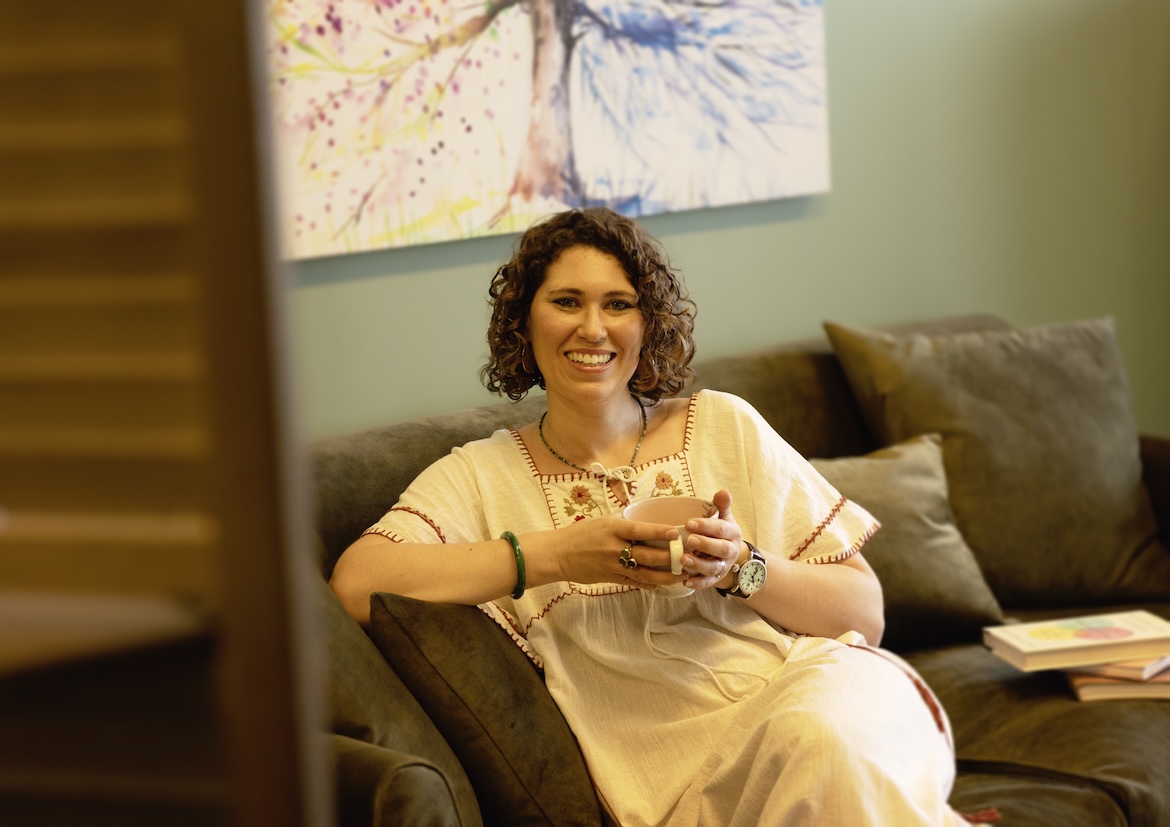
The launch: How did you start out in the beginning?
My journey into private practice began slowly and intentionally. I started with one day a week in a rented counselling room, gradually reducing my government role as I built up a small client base. As referrals grew and my confidence deepened, I moved to a 50/50 split between private and employed work before taking the leap to full-time practice in 2018, and I have never looked back.
For the first few years, I focused primarily on trauma counselling, but after the birth of my second child, my work – and identity – began to evolve. Motherhood invited me to see healing and identity in a new light, and it became the seed of what would later grow into my focus on maternal mental health and wellbeing.
The innovation: What was the biggest breakthrough for you with your business?
My biggest breakthrough was realising how closely my trauma work intertwined with motherhood. As both a counsellor and a mother, I witnessed women navigating identity shifts, guilt and shame, all while trying to meet societal expectations that glorify self-erasure.
My own experience of matrescence – the profound psychological, physiological and emotional transformation that comes with motherhood – helped me see the parallels between my trauma recovery work and maternal identity. Both involve reclaiming worth, rewriting narratives and finding meaning in the messiness of being human.
This understanding has allowed Kintsugi Counselling to become a truly integrative space – one that holds trauma, motherhood and identity as interconnected parts of the same story. My practice is grounded in feminist and social justice principles, offering women a space where their experiences are not pathologised, but contextualised – where their struggles are not seen as personal failings, but as reflections of the systems and expectations that shape them.

Yin and Yang: How do you balance work and family?
Balance is something I value deeply – and interestingly, motherhood has helped me find it. Having children requires structure and presence; I can no longer work long, undefined hours or carry work home in my mind the way I once did. When I’m with my children, I’m fully theirs. When I’m working, I’m fully with my clients.
Part of this balance has come from releasing the myth of the “perfect mother” and the “perfect professional”. Society often asks women to work as if they don’t have children, and mother as if they don’t have careers. I’ve learned to reject that impossible standard, which has been liberating.
Now, I focus on creating nourishing rhythms – work hours that sustain me, self-care that recharges me, and moments of joy and play that remind me who I am outside of both roles. Before I am a counsellor or a mother, I am a woman, and she deserves care, too.