By Camilla van Rosendal
The other day, music drifted through the kitchen while I was making dinner, and without thinking, I turned toward my son in the familiar way mothers do, body remembering the ritual before the mind catches up.
Come dance with me.
For years, this had been ours: a quick twirl between ordinary things, bare feet on tiles, small arms reaching up instinctively, trusting I would meet him there. The kind of moment woven so deeply into family life that you never imagine it changing.
But this time, something shifted.
He laughed and leaned in, and as I lifted him, I felt it immediately – heavy. Not impossible, just different. Somewhere inside that ordinary moment came the quiet, startling realisation: when did this happen? When did carrying him stop feeling effortless? Had we already crossed into something new without me noticing?
I have begun to wonder whether motherhood is full of thresholds we do not realise we have crossed until we find ourselves standing on the other side of them.
The ones without ceremony.
The ones no one prepares us for.
The ones hidden inside family life.
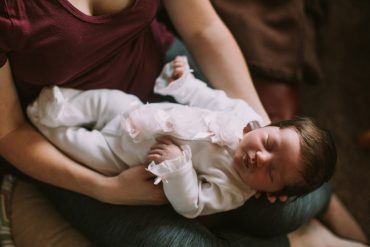
Because motherhood is full of endings we rarely recognise while they are happening. The last sleepy weight of them against your shoulder, carried from car to bed, breath warm against your neck while the house waits softly around you. The last time they reach instinctively for your hand in a crowded place, before independence arrives so gradually you almost miss it. The last time they climb into your lap without hesitation, not yet aware of their own lengthening limbs. The last dance in the kitchen where lifting them feels effortless. The last twirl. The one you did not know would be the last.
Only later, somewhere in the middle of a Tuesday afternoon, comes the awareness that something shifted here; that the season changed while you were still learning how to live inside it.
We speak often about becoming a mother, as though motherhood itself is the great crossing. And certainly, early motherhood changes us. Those first years rearrange everything: the body, the mind, the shape of a day, the fragile architecture of identity itself.
But the longer I mother, the more I notice something else.
Motherhood does not ask us to transform once.
It keeps moving the doorway.
One day you are learning how to survive sleepless nights, and before you fully understand that version of yourself, you are packing lunchboxes. One season asks for closeness. Another asks for loosening. One child needs holding; another needs witnessing.
The mother of a newborn is not the mother of a school-aged child. The mother of one child is not the mother of three. Each season asks something different of us, often before we have fully understood the woman we have just been.
No wonder motherhood can suddenly feel hard again, even in seasons that appear steadier from the outside. Life regains rhythm. You feel more capable than you once did. The practical demands ease in ways you had longed for.
And yet, something feels unexpectedly tender.
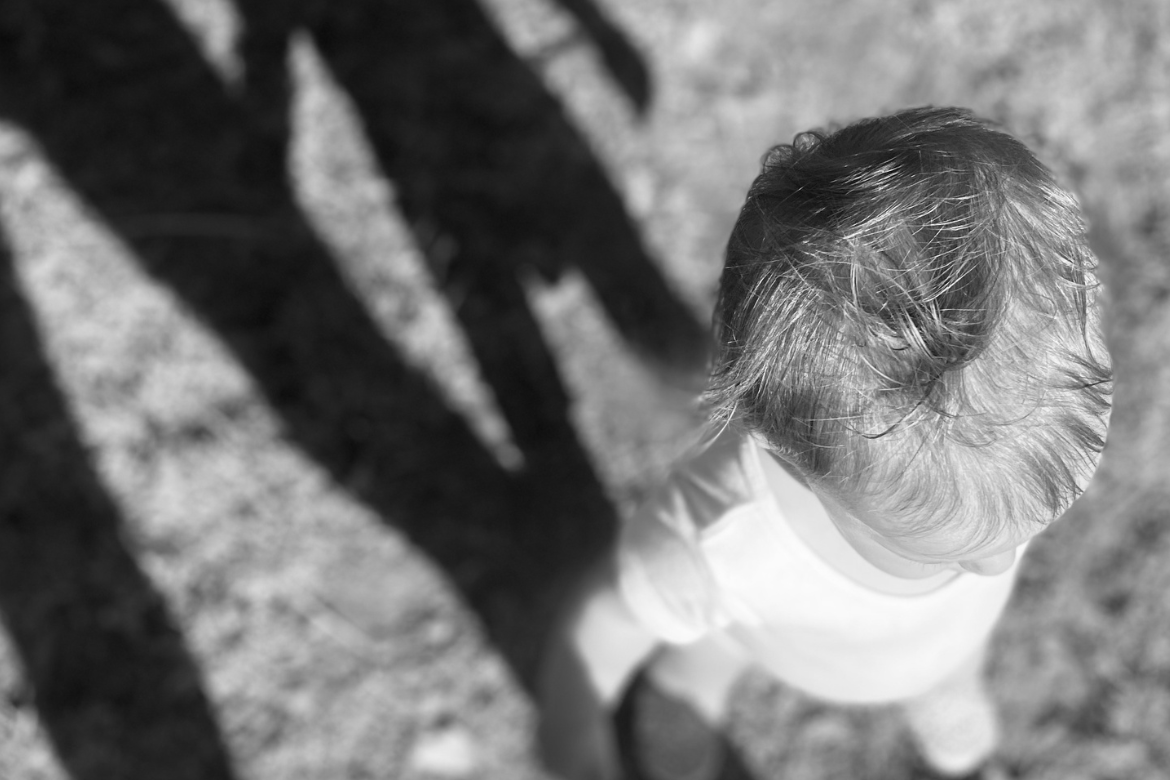
A school milestone catches you off guard, or a bedroom door closes. One day, without warning, you realise your son no longer folds against your chest the way he once did.
And the looking changes too.
There was a time when you were, before anything else, home.
The place he instinctively returned to. The answer before the question had fully formed. You are still needed, deeply. But differently now. And somewhere inside that changing, something aches.
It is easy to interpret this tenderness as inadequacy. To assume we are struggling because we are not coping well enough, grateful enough, grounded enough. But I am beginning to think that mothers are often mistaking grief for inadequacy.
Not grief in the loud, obvious sense.
Something quieter.