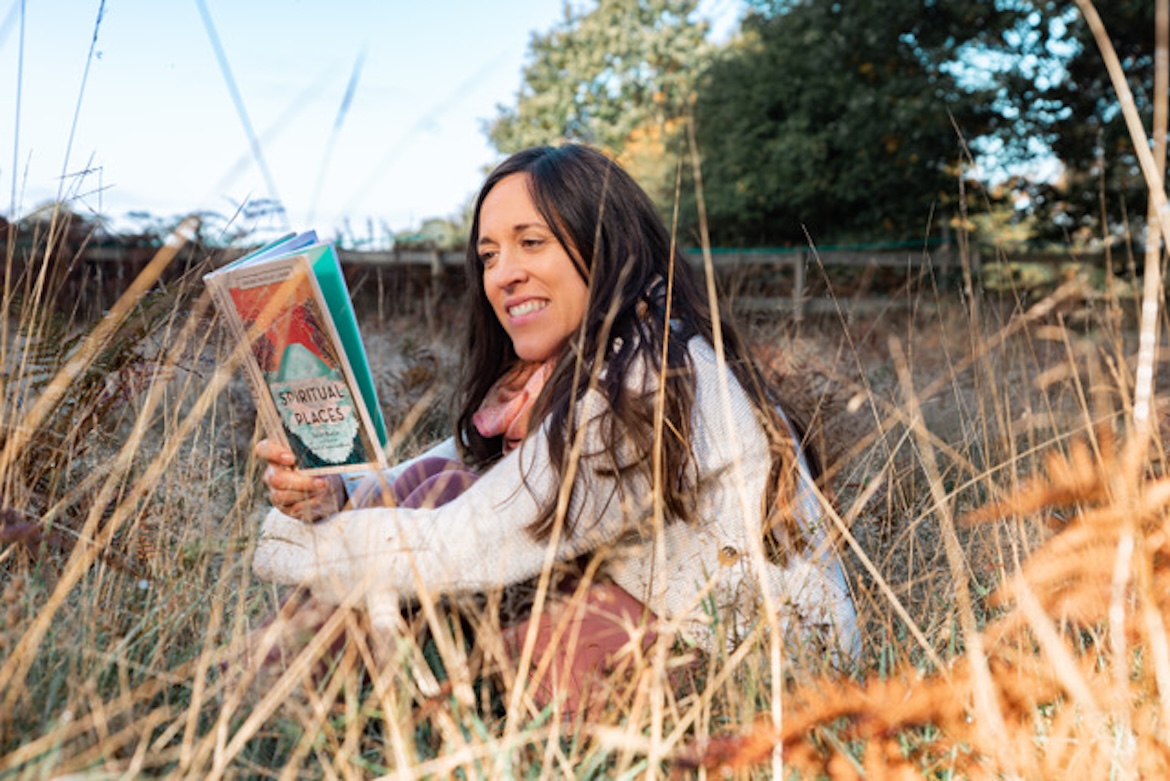
Katherine Winny has created a space dedicated to supporting women through the emotional and identity shifts of motherhood. Through a blend of in-person gatherings, seasonal circles, book clubs and guided meditations, she creates opportunities for women to slow down, reflect and reconnect with themselves beyond the demands of daily life. Her work weaves together elements of mindfulness and community, offering a more soulful and supportive approach to modern motherhood. A space where mums can step away from doing it all, being it all and holding it all. Here, Katherine talks to The Natural Parent Magazine about the inspiration behind her work, the challenges she has overcome, and her hopes and dreams for the future.
The passion: What inspired you to set up your business?
Moonkeeper began quite simply because I couldn’t find what I was looking for. I’d come across one event that really resonated, but it was fully booked – and it was also held in a way that just didn’t work for mothers. I thought this is exactly what I want but with a motherhood twist.
So I decided to create the events I wanted to attend myself.
I was craving something deeper than most of what I could find in the motherhood space – something soulful, reflective and connected back to my own meditation practice. I’d experienced mother-and-child circles that honoured the old pagan festivals, and I loved that rhythm and sense of meaning. I was also deeply inspired by the work of Kirsty Gallagher, particularly her writing on the moon, cycles and seasonal living.
What I wanted was to weave all of that together: the seasons of the natural world, the lunar cycle and the inner seasons we move through as women and mothers. Our winters and springs, our periods of rest and growth, both externally and internally. That is the basis for Moonkeeper, which is a container in which various events are held – both in community and online.
What I have always craved is a like-minded community. For being in a room with women having honest, unfiltered conversations that go beyond logistics and survival mode. Whether that’s sharing after journal prompts and meditation in circle at The Gathering or deep conversation through one of the Book Clubs.
I’m creating this now because I finally feel ready. My youngest child is three, and I feel as though I’m emerging from the intensity of early motherhood with enough energy and clarity to put something meaningful back into the world.
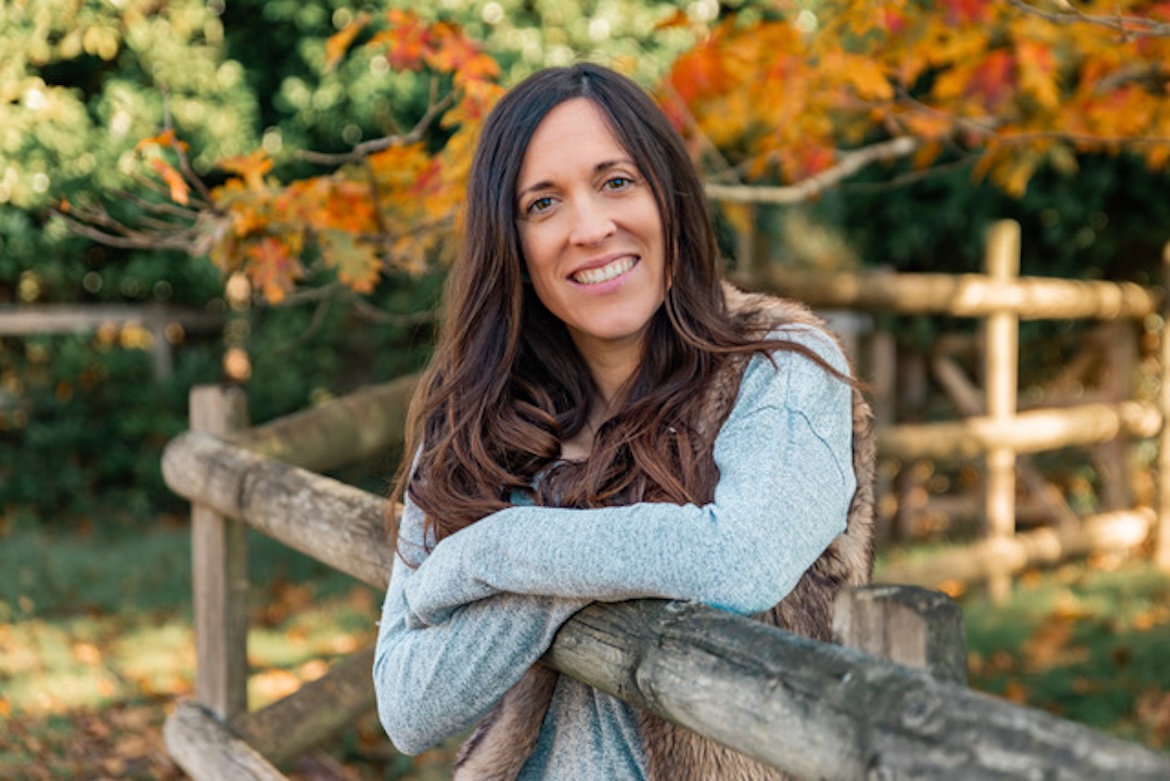
The launch: How did you start out in the beginning?
The very first Moonkeeper event was The Gathering: it took place in my cabin on our land, which felt deeply meaningful. It’s a space connected to home, to nature and to the deep, more reflective work I do one-to-one with women. We lit the log-burning stove, and because it was the autumn equinox, the theme was about turning inward and letting go.
We held a simple ritual where each woman wrote down something she was ready to release, and placed it into the fire. There was something incredibly grounding about watching those words burn. We also made our own bath salts, with each woman choosing the essential oils she was drawn to, and we finished with a meditation in that space. My horses stood outside the glass doors of the cabin, watching, which added to the sense of calm and containment.
It was intimate, soulful and very real – and it quickly became clear that there was a hunger for this kind of space. The Gathering almost immediately outgrew my cabin, so I began looking for larger venues and found some beautiful spaces, including local yurts and a spiritual centre in West Sussex, where there’s room to spread out with mats and settle in more deeply.
What’s been most striking is how the women respond. The spaces feel safe, gentle and non-performative. There’s openness, honesty and support – without anyone trying to fix or push anyone else. Everyone who attended that first gathering has wanted to come back, and word has grown organically through the local community. I often hear women say, “This sounds exactly like the space I need right now”. That feels like the truest measure of success.
The innovation: What was the biggest breakthrough for you with your business?
The biggest breakthrough wasn’t a particular event or milestone; it was a shift in mindset. I realised that this work doesn’t need to be measured numerically to be powerful.
In previous reiterations of my work, I have felt the pressure to grow quickly, to scale, to turn something meaningful into something bigger and more polished. But the real turning point with creating Moonkeeper came when I recognised that the intimacy is the point. That intentional depth and slowness is actually a strength and a differentiator.
I really focus on the quality of my events and the community I am building. When women return again and again, when both friendships and conversations deepen over time, when someone says, “This has changed the way I see this part of my life” – that feels like true success to me.
It also became clear that I am part of the container. My own regulation, boundaries and seasonal rhythm shape the work. When I honour my own cycles and capacity, Moonkeeper feels stronger. That understanding – that sustainability is the foundation, not an afterthought – changed everything.

Yin and Yang: How do you balance work and family?
I find this question difficult because I don’t believe it’s something you ever really achieve. It’s a constant juggle that needs revisiting again and again – even within the same year. School holidays look completely different to term time, and what works in one season often doesn’t in the next.
Practically, it helps that my husband also works for himself and from home, so there’s flexibility on both sides. Each week we map out what’s coming up and decide who’s holding what, rather than relying on fixed roles. But more than logistics, what I try and really focus on is being clear on my values. When I feel torn or conflicted, I come back to those and let them guide my decisions about where my time and energy are best placed.
I actually prefer the word blend rather than balance. Balance suggests something static and perfectly weighted, and I don’t think that exists. What feels more realistic is a unique blend that’s constantly evolving – shaped by family life, work, seasons and capacity.
I also have to remind myself, regularly, that I’m allowed to be a woman outside of motherhood. I’m allowed to love my work, to invest energy in it and to feel lit up by it – and that doing so doesn’t take away from my ability to show up as a present, loving mother. If anything, it strengthens it and the narrative that I want to model to my children as they grow up in this world.