By Kylee Harris
The kitchen is a natural gathering place in a home since it offers a warm and comfortable environment where families can share stories, bond and create memories. It’s also a space which allows people to reconnect amidst busy schedules, making it one of the busiest places in the entire home. A recent study has found that the average American spends more than 1,000 hours a year in the kitchen. All those hours are spent cooking, eating, cleaning up and hanging out, and one in seven respondents said that they cherished the time spent in the kitchen with their loved ones. Since it’s such an important space that fosters family connection, it only makes sense to give this area some TLC to make it cosier and more sustainable.
A full remodel can give you a functional, eco-friendly kitchen that’s suited to your lifestyle and aesthetic preferences. But making small changes can also help to create a green and healthy space that will allow your loved ones to feel happy and productive. Here’s how to design a family kitchen that loves the planet.
Incorporate Natural Materials
If you’re going for a full or partial remodel, it’s recommended to call a professional to do the work for you. Experts like a painter and decorator can advise you on suitable finishes, and they have specialised knowledge on eco-friendly materials that can withstand heat, humidity and everyday wear and tear in the kitchen. They can also provide guidance on enhancing the style and functionality of the space, and help you set a realistic budget for your remodel.
For a sustainable space, think about incorporating natural materials like stone or wood into your interiors. Think of countertops made of natural granite or marble, which are incredibly hard-wearing and easy to maintain, perfect if you do a lot of cooking or have very young children who like to craft or do their homework on the counter. Replacing a laminate surface with a stone countertop is probably the easiest way to upgrade the look and feel of your kitchen since it offers a luxurious and premium look, so if you only have a limited budget to refresh the space, prioritise your countertops before anything else.
Adding natural or reclaimed wood is another way to bring an organic and timeless feel to your kitchen. Consider installing hardwood flooring to provide comfort underfoot, or add wooden accents like open shelving or oak slat panels to create a feature wall. You can also add a light wooden table and sleek chairs to create a contemporary breakfast nook where your family can share casual meals or just enjoy some time together.
Minimise Plastic Use
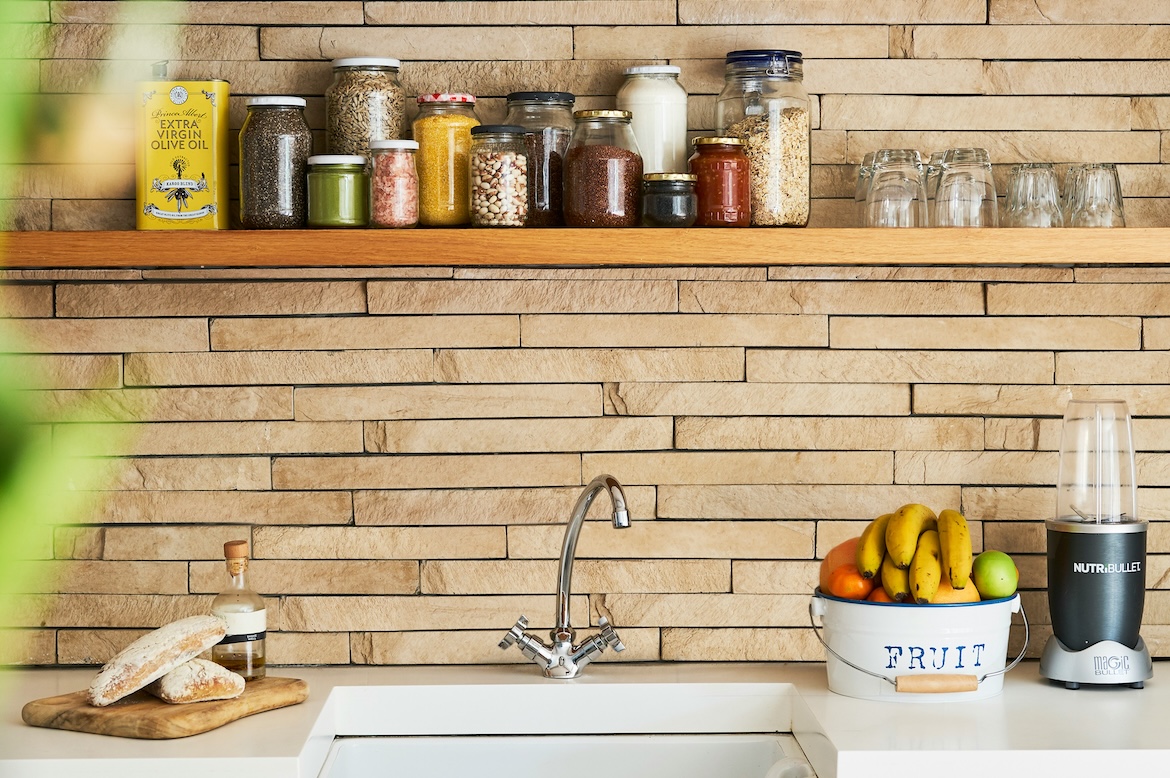
Reducing plastic use is key to having a zero-waste and eco-conscious kitchen. If you’re still using lots of flimsy plastic containers to store food items in your pantry, think about integrating built-in storage to reduce reliance on single-use plastics. Built-in shelves can give you ample space to store glass jars, bamboo canisters or stainless steel canisters that you can fill with staples like pasta, rice, beans and flour. Meanwhile, built-in drawers or woven baskets can be used to store root vegetables like potatoes and onions. Don’t forget to label containers, and include manufacturing and expiration dates so you can use your ingredients before they go bad.
You may also want to upgrade your plastic dinnerware for eco-friendly alternatives like those that are made of ceramic or glass. If you’re worried that these may not be suitable for the little ones, choose stoneware or bamboo fiber dinnerware, which are ideal for children.
Create Child-Friendly Spaces
Most adults have qualms about letting their kids in the kitchen because of safety reasons. There’s always the risk of burns from hot surfaces or liquids, getting injuries from sharp objects or slipping on the floor. To make your kitchen a safer place for children, set up a zone where they can stay while you’re cooking, such as the breakfast nook. Place a cart near the nook and fill it with nutritious snacks so they can have something to munch on while they read, colour or do meal prep activities. To make them feel involved, designate low drawers and cupboards for their plates, bowls and cups so they can set the table. You can also set up a special prep station where they can help with simple meal prep tasks, such as tearing lettuce or other leafy greens by hand, stirring batter, washing produce or mashing soft fruits with a fork or masher.
The kitchen is the heart of your home, so make it a better and healthier place to prepare meals and spend time with your loved ones. Consider these ideas to design a green and child-friendly space, and see how it helps to bring your family closer together.
Kylee Harris is an educator who has taught in elementary schools in Singapore and Hong Kong for 5 years. She lives in Florida and continues to teach life skills to young adults in her community.