By Steff Bee
After more than 17 years working with children and families, one thing stands out above almost everything else. The families who thrive aren’t the ones who have all the answers or get parenting “right” all the time. They’re the families who prioritise connection.
So, what is connection and why is it important?
Connection is building a relationship where your child feels safe, loved, understood and accepted. Through warm, responsive interactions, children develop trust, emotional security and the confidence to explore the world, learn from challenges and return to you when they need support.
Connection doesn’t mean being perfect or saying yes to everything; it means being emotionally available, especially when your child needs you most.

Humans are wired for connection. From an evolutionary perspective, our survival has always depended on being part of a safe, connected community. Although our lives look very different today, our brains haven’t changed. We still need connection and belonging to thrive.
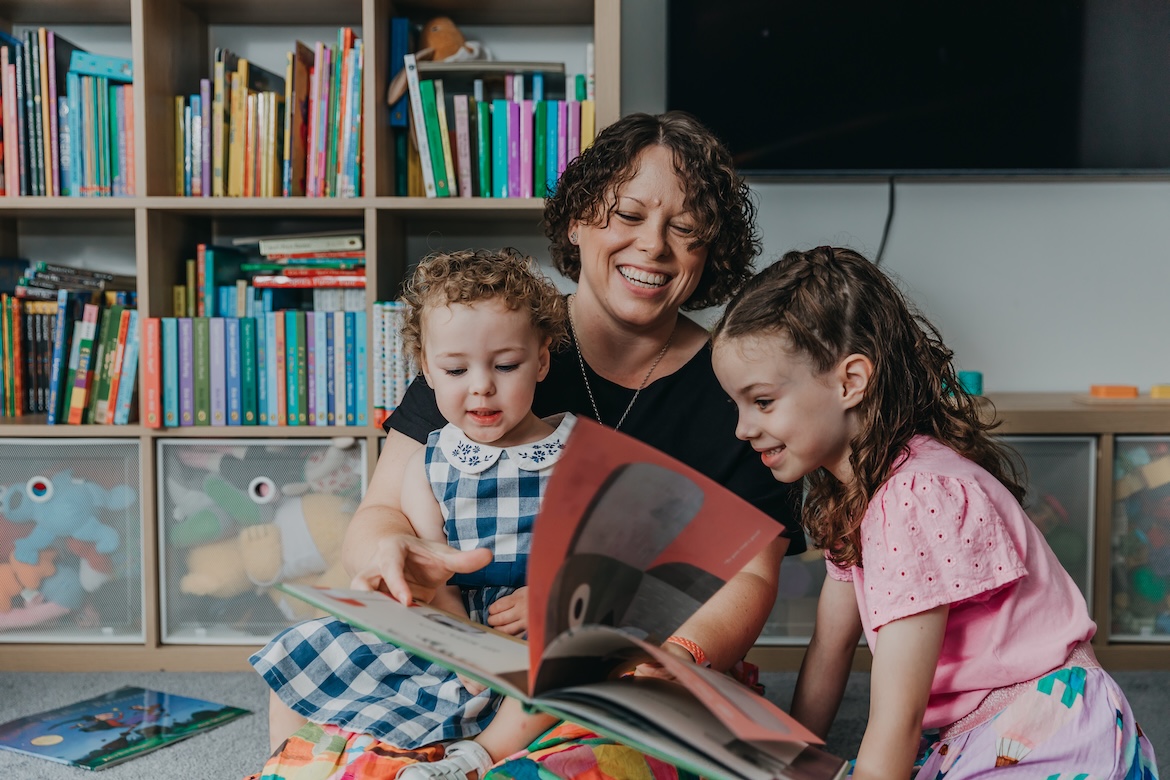
The good news is that connection doesn’t require hours of uninterrupted one-on-one time or elaborate activities. It is built in the ordinary moments of everyday life: laughing together while making dinner, cuddling on the couch to read a book, chatting on the drive to school, or sitting beside your child while they build Lego. These small moments, repeated consistently over time, become the foundation of your relationship.
From the work I do with children and families (and in my own experience of parenting), connection is often one of the most important pieces of the puzzle. When children feel connected, they don’t suddenly stop having big emotions or challenging behaviours. But connection creates the safety they need to borrow our calm, develop emotional regulation and work through challenges with us instead of against us.
Starting with us as parents
We often talk about children needing connection, but parents need connection too. We were never meant to raise children in isolation. Even when we look at the latest research from the Parenting Today (2025 survey), the findings highlight the importance of social connection, validation and support for parents. Pressures, such as loneliness, don’t just sit in the background – they have a direct and meaningful impact on how parents relate to and interact with their children, which is linked to children’s development and overall wellbeing.
We know it’s harder than ever for people to make and keep connections, especially around the time of becoming new parents.
Taking time and focusing on maintaining your own connections is important. This might mean focusing on putting your phone or screens down and connecting more with your partner of an evening or trying to catch up for a coffee with a friend or even engaging in a parent group or attending a play group. We know we can’t fill from an empty cup, so starting with us as parents helps us to feel more connected and supported, so we can then connect and show our children they are safe, loved, understood and accepted.
Creating connection and meaningful moments from the start
For many families, connection begins before birth. In utero, particularly for mums/birth parents, we can feel them and we can talk to and sing to them.
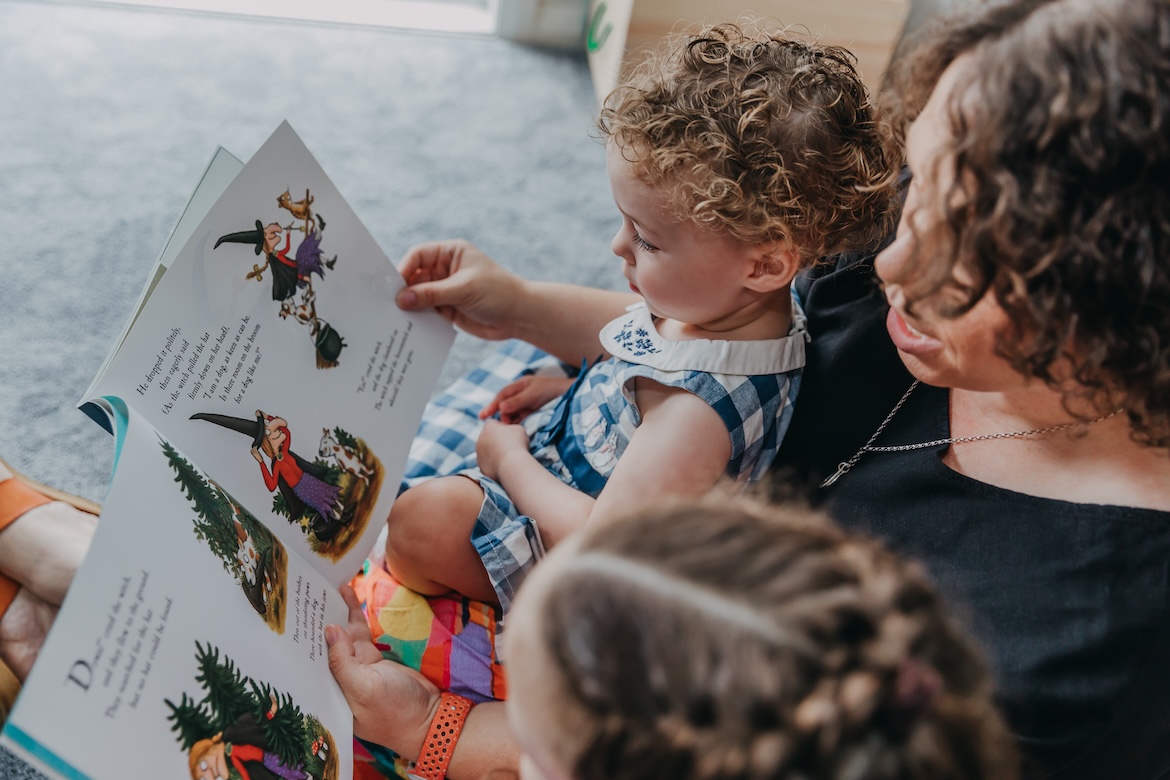
From birth, we build connection by holding, feeding, responding to our baby’s needs, engaging with them and talking and reading to them. Every time we respond to a baby’s cry, smile back when they smile or take turns babbling together, we’re engaging in what researchers call “serve and return” interactions – tiny moments that literally help shape a child’s developing brain. As a mum of NICU babies, I have a special interest in helping parents to feel and create connection with their babies when they may not be able to hold them and feel like they aren’t in control of their care.
As babies grow, we can show them we are responsive to their needs. We can also play and engage with them, particularly whilst being fully present (without distraction). I’m a busy mum and I get it, it’s not always possible. But it is important for our children to see and know that we have time for them and that they are important.
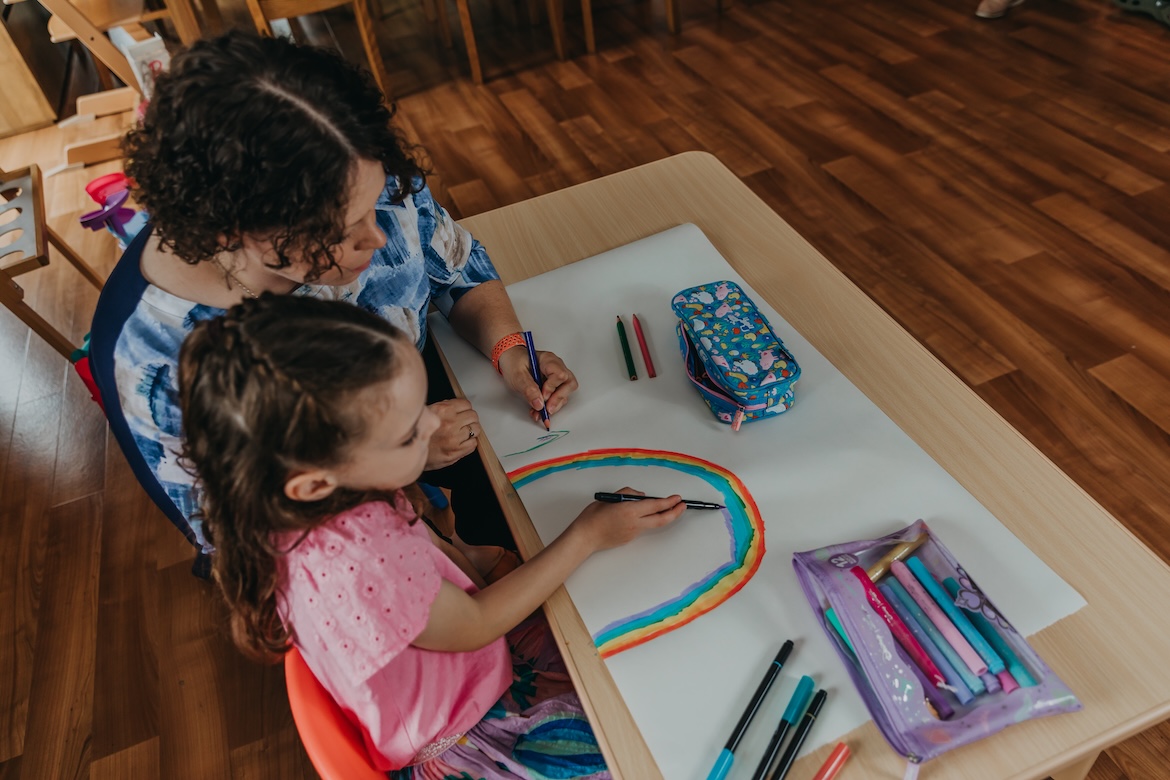
As children grow, we need to adapt how we connect. This includes engaging with them in activities of interest to them, talking with them and creating safe spaces for them to talk and share with you. Rituals are a great way to do this. It might be that you have a bedtime ritual where you read particular books, or say a particular good night with your child, allowing them to share about their day. As a family, you might have a dinnertime ritual of talking about your day, or you might make time during the week to do a special activity as a family.
Connecting with teenagers is much easier if we’ve done the groundwork with our kids from a younger age. We want to make sure we are connecting with them around their interests, and in ways that are non-judgemental and in non-confrontational (driving around in the car is often an easy one for parents, as well as joining them when they are playing video games, or watching their favourite movie with them). Teenagers often look like they want independence, but underneath, they still need to know we’re available, interested and emotionally safe.
What to do when things go pear-shaped
Connection isn’t about never getting it wrong. Every relationship experiences moments of disconnection. What matters most is our willingness to notice those moments, reconnect and keep showing up. It’s never too late to strengthen your relationship with your child. We know that frequent small moments of connection are often the most powerful, but if something happens and your relationship is ruptured, it’s important to repair. In fact, research tells us that relationships don’t need to be perfect; they need to include repair. Children don’t benefit from parents who never make mistakes. They benefit from parents who are willing to acknowledge those mistakes, reconnect and move forward together. Our kids need to see us putting the work in to rebuild. This has to include being vulnerable and apologising – and demonstrating our ability to listen to our children and develop ways to move forward together.
It’s important to demonstrate the value you place in your relationship with your child and how important it is to repair.

How I do it
In our family, we talk a lot about “Team Bee”. We’re in it together, there to support each other and help each other out. We have each other’s back. We remind our children that we’re all on the same team. Even when we’re frustrated with each other, we’re never against each other. This means that our kids can always talk to us and trust in our relationship. They know that even if we’ve had a disagreement, our love is unconditional.
Like all families, we are often in repair mode too. Talking about our flaws and trying to come up with ways to work together to help each other is something we do (cue me explaining to our 8-year-old why I got frustrated AGAIN this morning because she was getting distracted and we were late getting out the door for school).
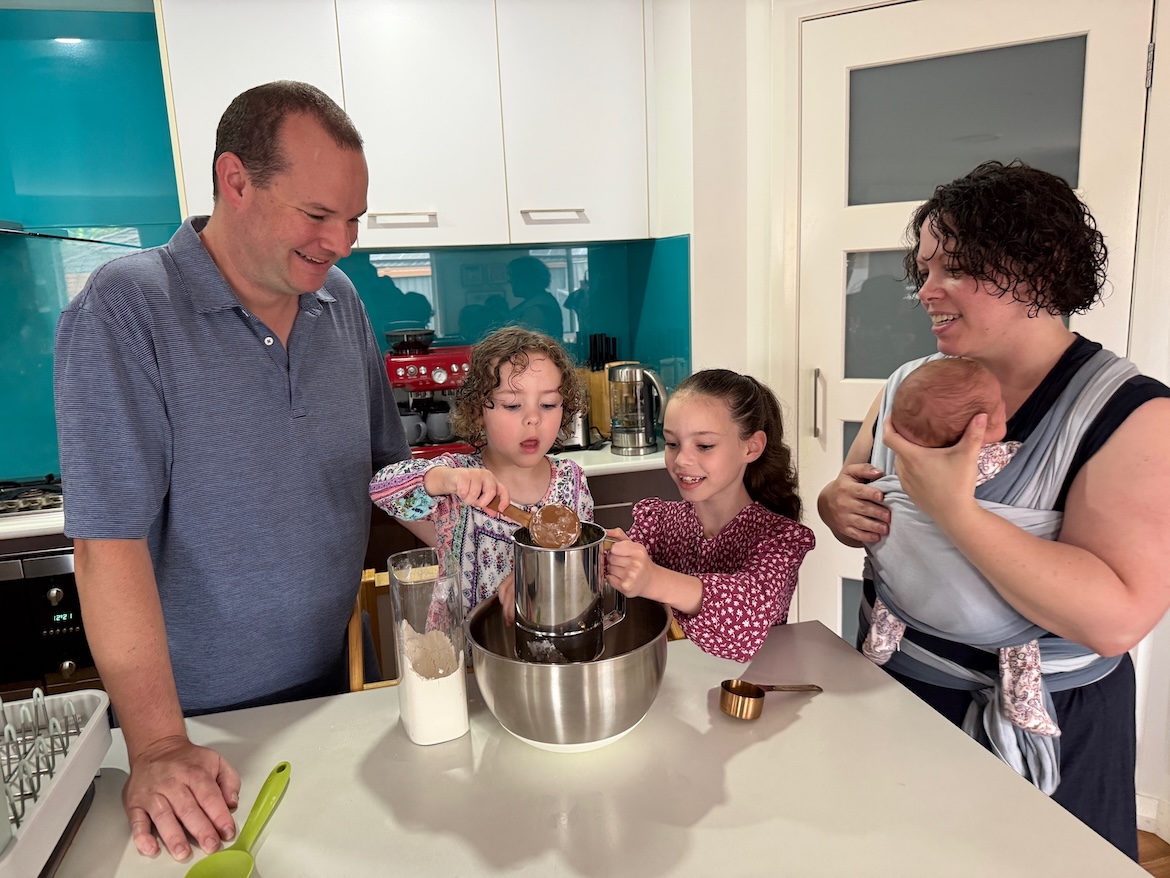
Having three children now (including our 5-month-old), it has been really important to introduce protected time with each of our kids (for both my husband and I). Again, this is demonstrating that we value our relationships with each child individually (as well as our family as a whole).
Connection isn’t built in grand gestures or perfect parenting. It’s built in thousands of ordinary moments – showing up, listening, laughing, repairing after mistakes and reminding our children, again and again, that they are loved exactly as they are. Those moments may seem small, but over time they become the foundation of the secure relationship your child will carry with them for life.
If this article has prompted you to think about ways to strengthen connection in your family, I’d love to help. You can book a free 15-minute phone call with me to ask your questions, gain reassurance and practical guidance, and explore your next steps with no pressure or obligation.
Steff Bee is a mum of four and an Occupational Therapist with more than 17 years of experience supporting children and families. Together with her husband Matt, they are raising three beautiful children: Abi (8), Madi (3) and Eli (5 months). They are also the proud parents of their son James, who passed away at three weeks of age in 2021 (you can read more about their family’s journey in her previous article for The Natural Parent Magazine).
Like every family, theirs has experienced joy alongside heartbreak. They’ve navigated grief, trauma, neurodiversity and anxiety, and each of their children continues to teach them something different about connection. Those experiences have shaped both the way Steph parents and the way she supports families professionally.