By Amy Thoday
As a midwife, one of the things I feel most passionately about when I teach is helping women and their birth partners understand how the maternity system works and why it works the way it does. When you understand this, you can have more confidence to make the choices that are right for you.
Maternity systems are designed to provide safe and effective care to large numbers of women and families, while balancing safety, patient satisfaction, cost and staff wellbeing. To achieve this, women are often grouped according to their risks and are then directed towards particular pathways.
This is necessary to some extent, but it can also create a generic approach to care, with women sometimes feeling as though they are moving along a “conveyor belt”. Add to this horror stories shared by family and friends, media coverage of maternity services and the fact that many of us have little exposure to real birth within our families, and it isn’t surprising that many people develop a fear of the maternity system before they are even pregnant.
Almost all women will become involved with the maternity system in some way during pregnancy and birth. Even if you plan to avoid it as much as possible, you can never be certain which direction your pregnancy or birth will take. Accessing maternity care could become essential, or something that you choose to do because it feels right.
So, rather than fearing the maternity system, you need to understand it and learn how to make choices within it that are right for you.
This doesn’t mean you need to challenge every recommendation or assume that the professionals caring for you are wrong. It means understanding that you are part of the decision-making process too.
The maternity system uses the National Institute for Health and Care Excellence (NICE) guidelines. NICE makes clear that its guidelines are not mandatory and should be considered alongside the needs, preferences and values of the person receiving care. This is an important distinction. A recommendation is not the same thing as an instruction that you have no choice but to follow.
It can help to ask questions:
Why are you recommending this?
Is this based on my individual circumstances?
What are the benefits, risks and alternatives?
What happens if I decline?
You don’t need to become your own midwife or obstetrician. You simply need enough good-quality, evidence-based information to understand your options and make decisions that feel right for you.
One of the tools I teach women and their birth partners is the BRAINs acronym:
Benefits. Risks. Alternatives. Intuition/Information. Nothing. Space.
It is a simple framework that can help you slow down and think when you’re faced with a decision, when you’re overwhelmed or put on the spot.
You can find a free BRAINs decision-making tool from Birth Your Own Way here.
But your safety is about more than whether you and your baby are physically okay.
I have heard people say to women, “At least you and your baby are safe,” as a way of trying to make them feel better about their experience.
And of course, physical safety matters enormously. It is the basis of everything. But it isn’t the whole picture.
Your psychological and cultural safety is important. Feeling respected and listened to, and feeling informed and involved in what is happening to you, matters.
I believe we should be expecting more than “the very least”.
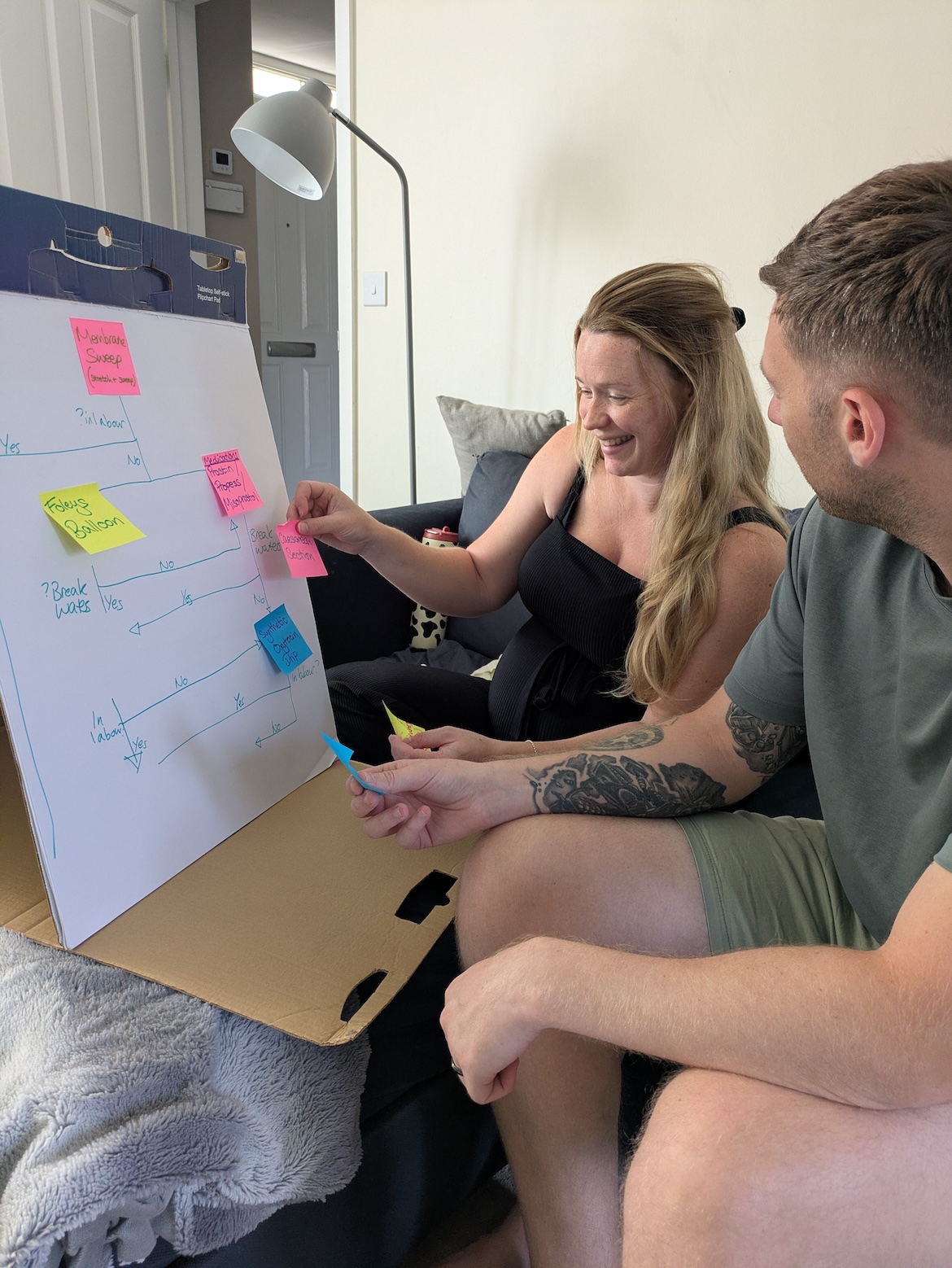
A birth can be medically uncomplicated and still be a deeply difficult experience for the person who lived through it. Equally, a birth involving intervention or unexpected changes can still feel positive when someone feels informed, involved, supported and respected.
The Royal College of Midwives describes personalised care as safer care and highlights the importance of women having choice and control, including when their choices fall outside clinical recommendations.
It is also worth understanding the different professionals who may care for you. A midwife and an obstetrician have different roles, and even within midwifery there are many different specialities and areas of expertise.
Understanding who is who, what their role is and who you can ask for support can make the maternity system feel much less overwhelming.
There are many experts, but you are an expert too. Not an expert in maternity care, but an expert in yourself, your body, your mind, your circumstances and your baby.
You can trust your maternity team and still ask questions. You can accept a recommendation and still want to understand why it has been made. You can change your mind and you can make different choices from others. There is no wrong choice.
In the UK, human rights law protects a woman’s right to make her own choices about her maternity care, including decisions about what happens to her own body.
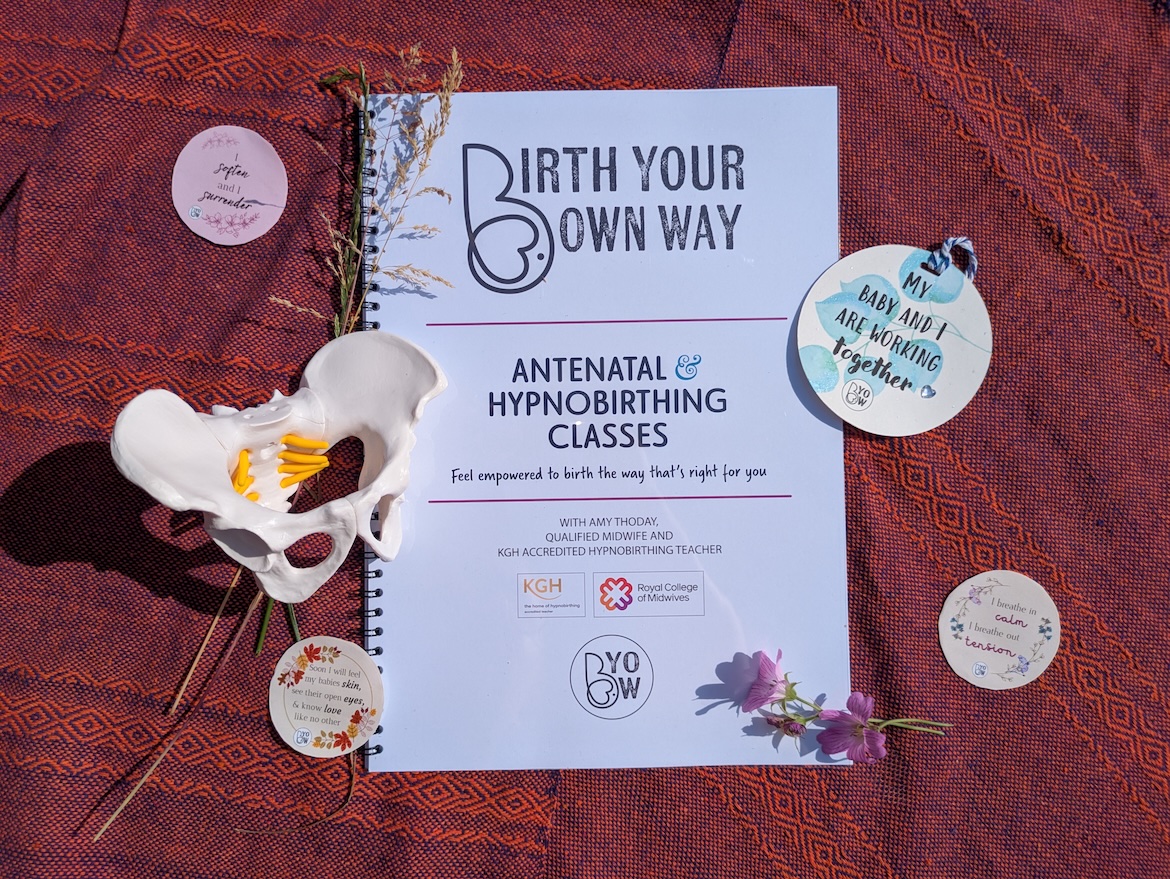
This is one of the reasons I decided to create Birth Your Own Way and teach antenatal and hypnobirthing. Not because I think labour should be pain-free, or that you need to be a silent goddess through your contractions, but because I am passionate about women understanding their choices and feeling confident enough to make them.
I have seen women birth in their power, time and time again, and I never stop being astounded by how capable and powerful they are.
Birth is unpredictable. Sometimes things don’t go according to plan. Sometimes intervention is needed. Sometimes the birth you imagined looks completely different by the time your baby arrives.
And sometimes we need this incredible maternity service that we have available to us, and it does exactly what it is supposed to do…
It saves lives.
I don’t want women to fear the maternity system. I want them to understand it.
When you understand it, you are much better able to ask the questions you need to ask, participate in decisions about your care and navigate whatever your birth brings, helping you to birth the way that’s right for you.
Amy Thoday is a midwife, trained hypnobirthing educator and the founder of Birth Your Own Way. Visit www.birthyourownway.co.uk to find out about the services and resources she provides. You can also connect with her on Facebook and Instagram.