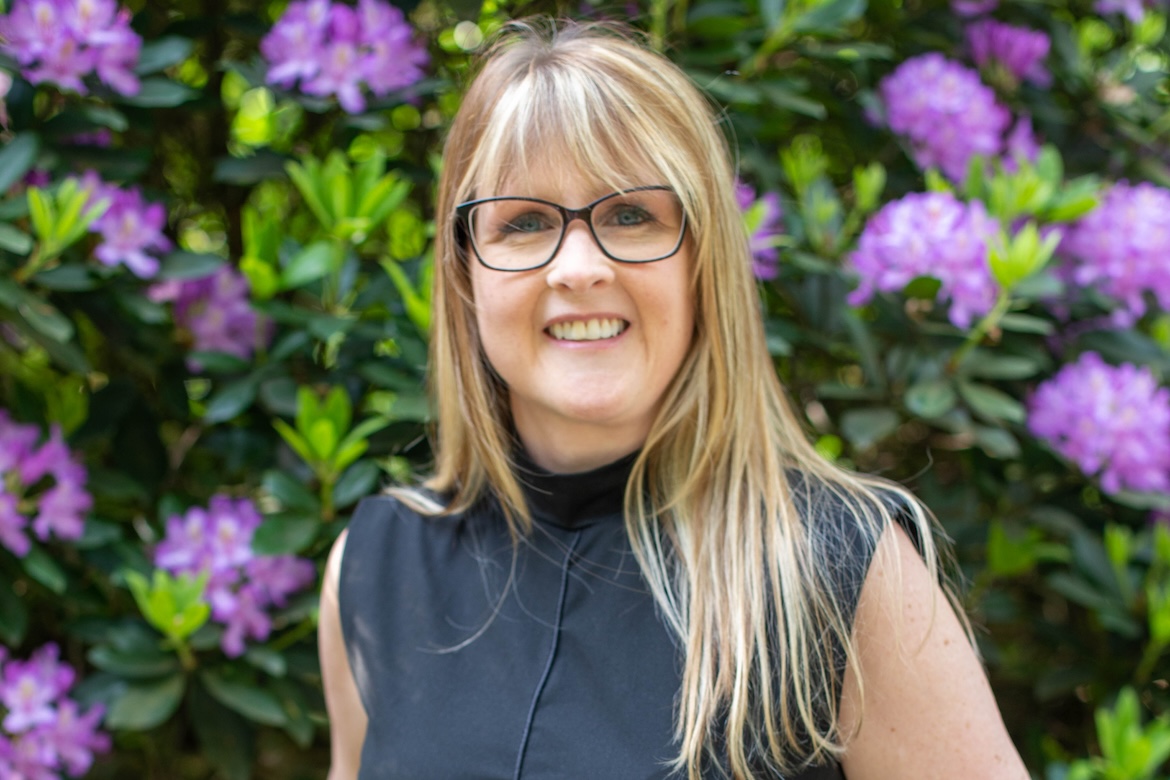
Catherine Manville is a certified infant and child sleep coach with specialist training in autism, sensory and anxiety-informed sleep support. Her work with children, her experience as a parent of a neurodivergent child and her passion for supporting families inspired her to establish The Nurture Owl Sleep Support. Catherine’s approach centres on connection, helping children feel safe and understood as they develop healthier sleep habits. Here, she talks to The Natural Parent Magazine about the inspiration behind her work, how she supports families, the challenges she has overcome, and her hopes for making compassionate sleep and development guidance more accessible.
The passion: What inspired you to set up your business?
I have worked with children since leaving school, and I have always been driven by a passion for supporting parents through every area of parenthood, especially child development, sleep and wellbeing. Progressing into management and gaining multiple qualifications enabled me to reach many more families and offer them the support they needed throughout those early stages of parenthood.
I specialise in supporting children who may have additional needs, and I have helped – and continue to help – many families navigate the challenges and emotions that come with this. As the parent of a neurodivergent child myself, I understand what these families are experiencing because I have walked that journey myself.
Sleep is a key part of child development, and even more so for neurodivergent children. I know from my own son that it can be incredibly challenging and can consume your life. Many parents believe that sleep deprivation is simply ‘normal’ when a child has additional needs. To a degree, it is common, but it doesn’t have to be the case. Every child deserves rest, and every family deserves it too. There is often a reason a baby or child struggles to settle or stay asleep, and I can help pinpoint those reasons and ease them as much as possible.
I want to reach as many families as I can and share the message that every child and every family deserves quality sleep – and that it is achievable, making family life happier and more enjoyable.

The launch: How did you start out in the beginning?
Starting out hasn’t been an easy journey, and I’m continually learning along the way. Working full-time while parenting a son with additional needs, studying and launching a business has been a real juggle. At times, it made me question whether this was the right path.
There were so many aspects of setting up a business that I hadn’t even considered, from the legalities needed to operate safely and effectively to the time, funds and marketing needed to reach people. Those around you can’t always see the mountains you have to climb. Although launching has been a challenge, I’m so glad I took the risk. I still see gaps in support for so many families, especially those with neurodivergent children, and I strive to offer them as much support as I can.
The innovation: What was the biggest breakthrough for you with your business?
My biggest breakthrough so far hasn’t been a single moment, but rather a shift in clarity. Stepping back to really define my approach showed me that what sets me apart is connection. When a child feels safe and understood, independent sleep can follow naturally. Combining that with my experience in child development and my understanding of neurodivergent families has given me real direction, and I’m excited to keep building on it.
Yin and Yang: How do you balance work and family?
Navigating parenting and working comes with its challenges, but I know this is the right direction for me. I have dreamt of launching my own business for many years, and I now have the opportunity to fulfil that dream. I will face the challenges this journey throws at me to make it a success for me and my family.
Family always comes first. Prioritising our wellbeing is at the forefront of my mind, and I am building my career around it, not the other way round. That’s also what I help other families do: put wellbeing at the centre of daily life.
Time management is key. I set myself weekly targets to keep both my work and my business moving forward, and I try to be realistic about what is achievable in a week. Some weeks go to plan, and others don’t, but I’ve learned to be kind to myself and keep going.
Having a business that grows alongside my family, rather than competing with it, is exactly what I wanted.
The drive: What challenges have you overcome?
Aside from the initial launching of the business and juggling full-time work and family life around this, one of the main challenges has been finding my own voice in a field full of conflicting advice. There are many views on how children should sleep, and it took time, learning and honest reflection to define an approach that feels right for me: one built on connection, where independence grows from a child feeling safe and understood.
Putting myself out there has been another hurdle. I’ve moved from supporting families as part of a team to being solely responsible for my own business. In my previous roles, I had colleagues to share ideas with, and the weight of the business was never on my shoulders. Now every decision, from the legalities and finances to the marketing and day-to-day running, rests with me. It has taught me to trust my own judgement, and while it can feel daunting, I’m proud of how much I’ve learned and how far I’ve come.
For better or worse: What are the pros and cons of running your own business?
The biggest pro of running my own business is the flexibility I have around my working hours and the work-life balance that’s suitable for me and my family. I also love the freedom to shape my own approach and to support families in a way that feels true to my values, rather than fitting into someone else’s model. Hearing that I’ve made a difference to a family’s life is the best part, and I enjoy that I’m continually growing and learning, both personally and professionally.
The biggest con is that work and home life can easily blur, especially when your business is your passion. Social media and marketing can also be a challenge. It’s easy to compare yourself to others and feel pressure to keep up, and it takes effort to stay true to yourself and show up authentically online. Building visibility and a client base takes time and patience, so I’ve had to learn to set boundaries and rest when I need to.
Another real pro is that working online means I can support families across the UK and around the globe too, while fitting that support around their lives as well as mine. Seeing a family feel calmer and more confident about sleep is what makes it all worthwhile.
Hopes and dreams: What next?
My hope is to make my business a success and reach as many families as I can. Above all, I want to share the message with neurodivergent families that support is out there, and that calmer days are possible.
My dream is to expand into supporting families with their child’s development more broadly, helping to identify additional needs as early as possible and giving families the guidance they need from the start. I’d also love to support early years settings by offering Continual Professional Development around sleep, development and emotional wellbeing, drawing on my years of experience within the sector to help practitioners understand and meet the needs of every child.
Visit The Nurture Owl Sleep Support website to find out more, and connect with them on Facebook and Instagram.