Looking for natural, warm options for babies and children? Ask a New Zealander about merino wool and there is a good chance they have gifted, worn and relied on it for years. Merino base layers, baby sleeping bags and socks are a quiet, dependable part of Kiwi culture.
Ask the same question in the UK and the response is often very different.
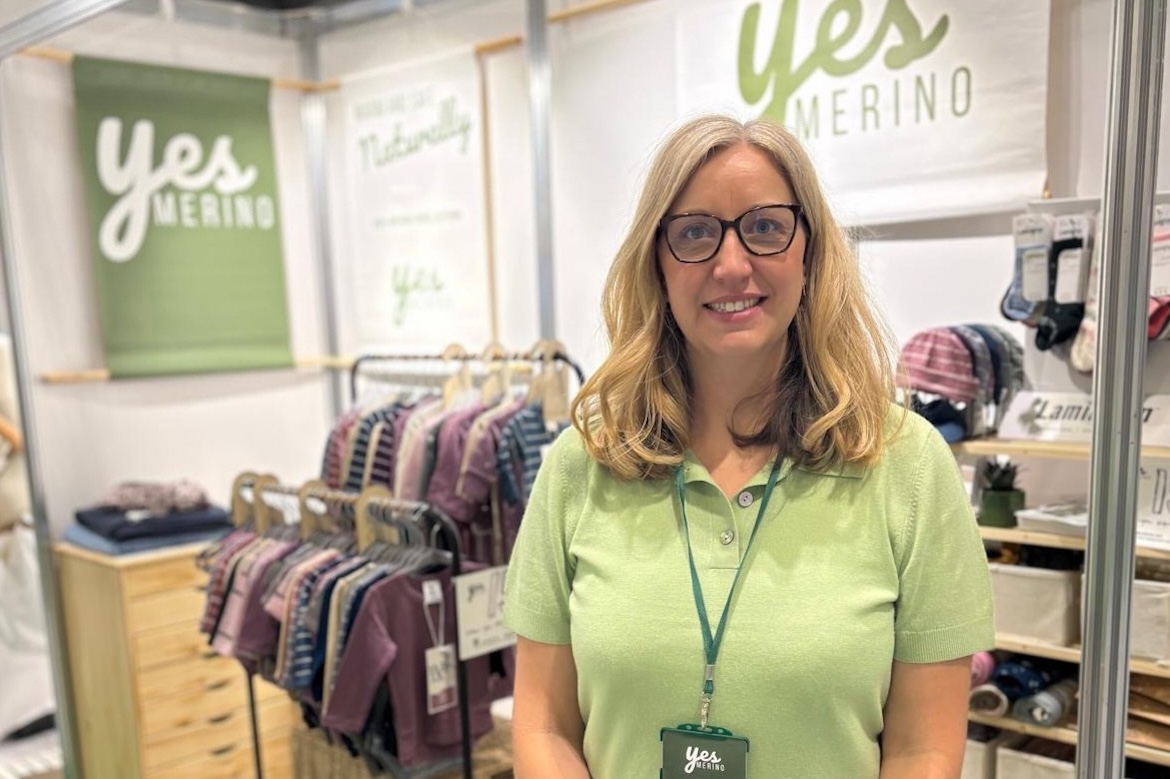
“People hear ‘wool’ in the UK and think itchy jumpers and washing disasters,” says Julia Dallison, founder of yes merino, a specialist UK retailer of merino wool clothing. “Then they see and feel merino and can’t believe it’s wool.”
Julia, a Kiwi mum and clothing and textile scientist living in South London, established yes merino in 2025 to help more UK families discover a fibre she has known, studied and loved since having her first pet lamb.
Merino is simply wool from the Merino breed of sheep, prized for producing exceptionally fine, soft fibres. Originally from Spain, the breed thrives in dry, high-country environments, including parts of New Zealand and Australia.
“The soft, lightweight feel is a pleasant surprise for newcomers looking for warm, natural options,” Julia says. “And now that washing machines have wool cycles, the old laundry disaster is easily avoidable.”
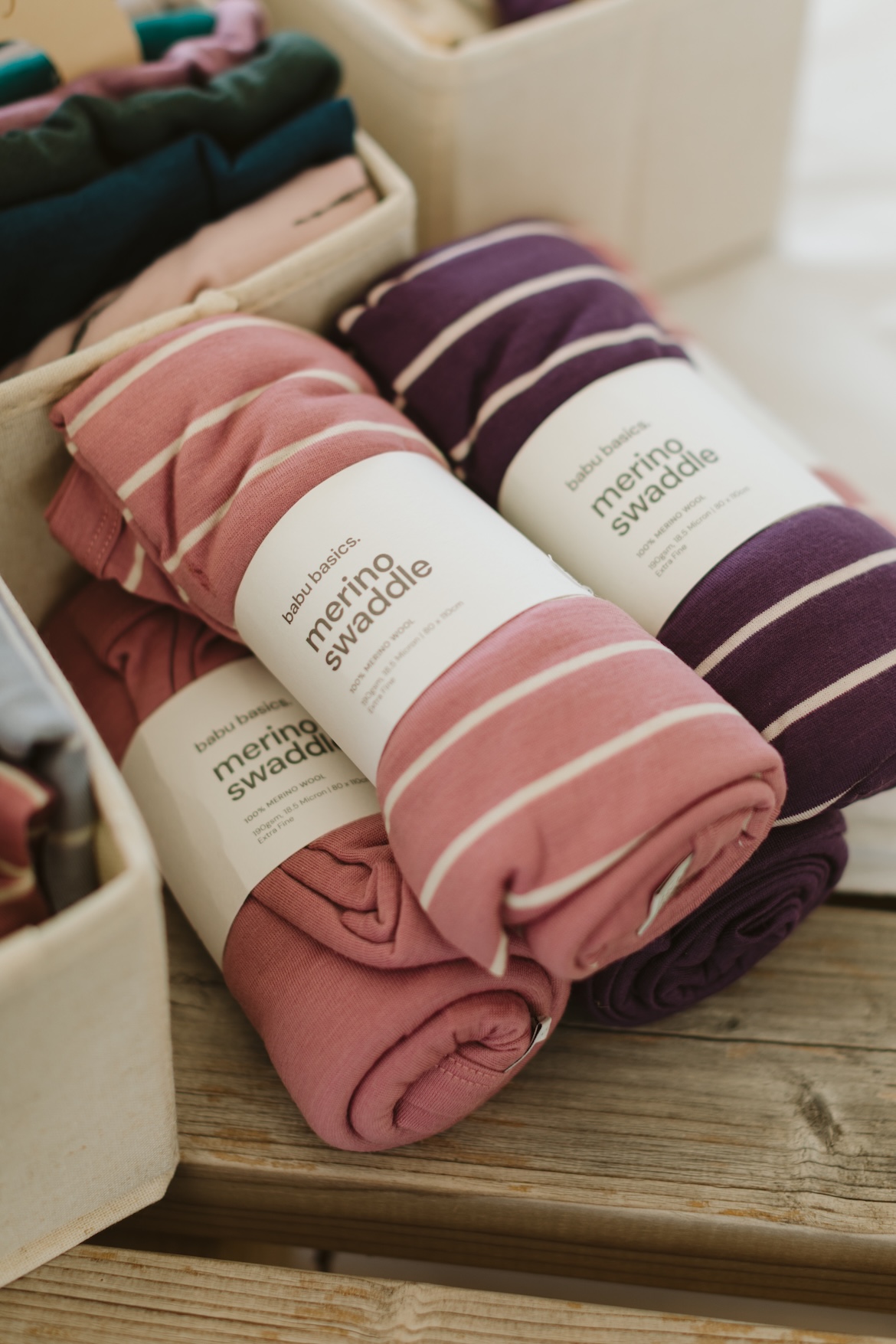
The science of dressing and wrapping babies
Julia’s textile science background means conversations at yes merino often go beyond size and colour.
“We dress and wrap our precious poppets in fabrics 24 hours a day, yet we don’t always give much thought to how those fabrics interact differently with their tiny developing bodies,” she says.
Babies develop the ability to regulate body temperature gradually, so parents can understandably spend a lot of time wondering whether their baby is too hot or too cold.
Merino wool is particularly useful because it can help manage warmth and moisture next to the skin. For babies and children, that can mean a soft, lightweight layer that helps maintain a more comfortable microclimate for them as conditions change.
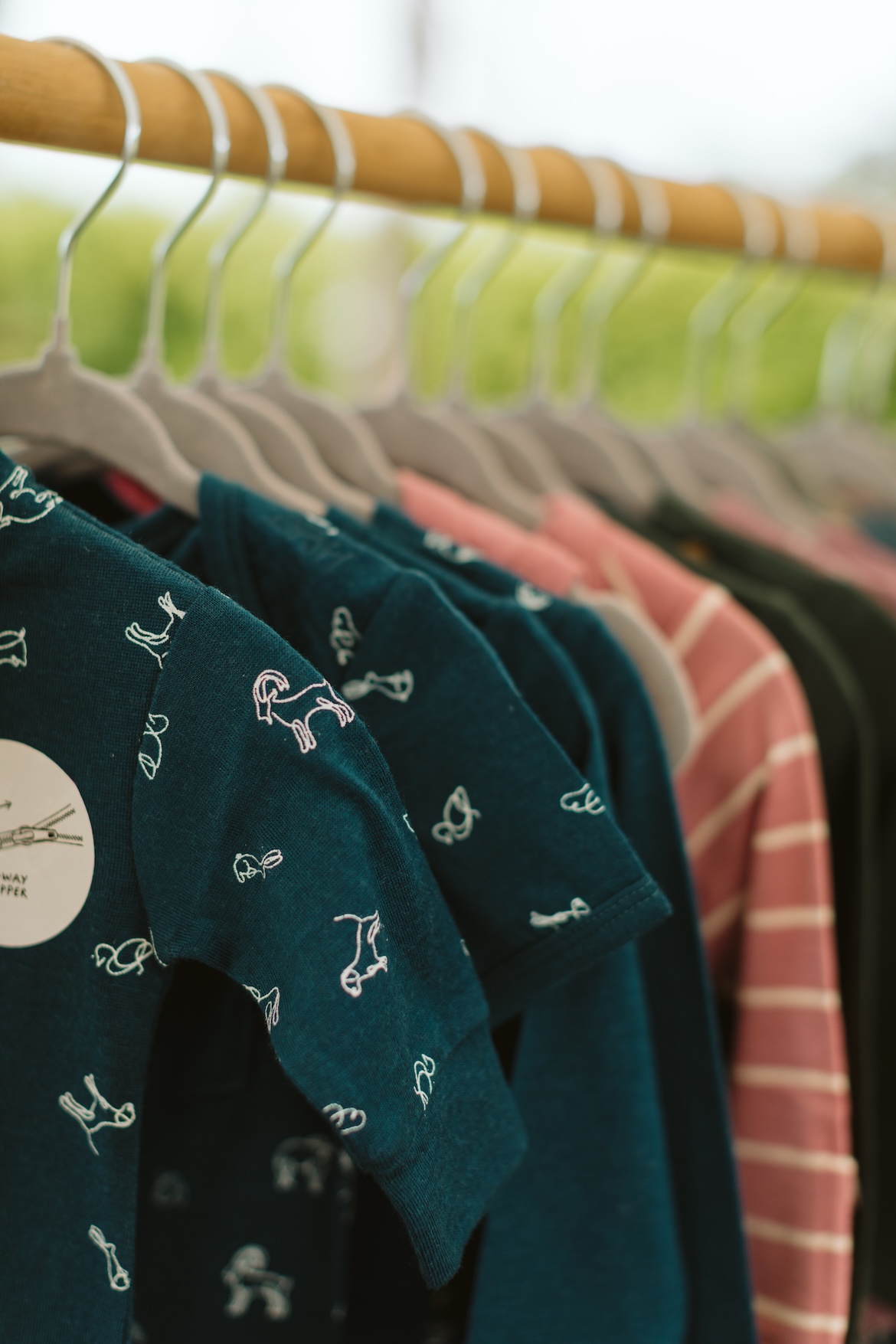
Another marketing gimmick?
Not at all. Merino wool has been used for generations, and its impressive performance comes from the natural structure of the wool fibre itself. “As a parent, it is reassuring knowing your baby is wearing a natural fibre that helps them stay warm and comfortable without having to faff about with as many layers,” Julia says.
“Millions around the world have known and loved merino for years. It’s not another version of viscose, which is what most ‘new’ fabrics with big marketing budgets seem to be these days.”
Julia is particularly passionate about helping parents understand fibres and shares practical textile information regularly through @yesyesmerino on Instagram.
“I want parents to have enough information not to be duped by clever marketing,” she explains. “If you understand a few basics about fibres, you can make more informed choices about what you put next to your baby’s skin and what works for your family.”
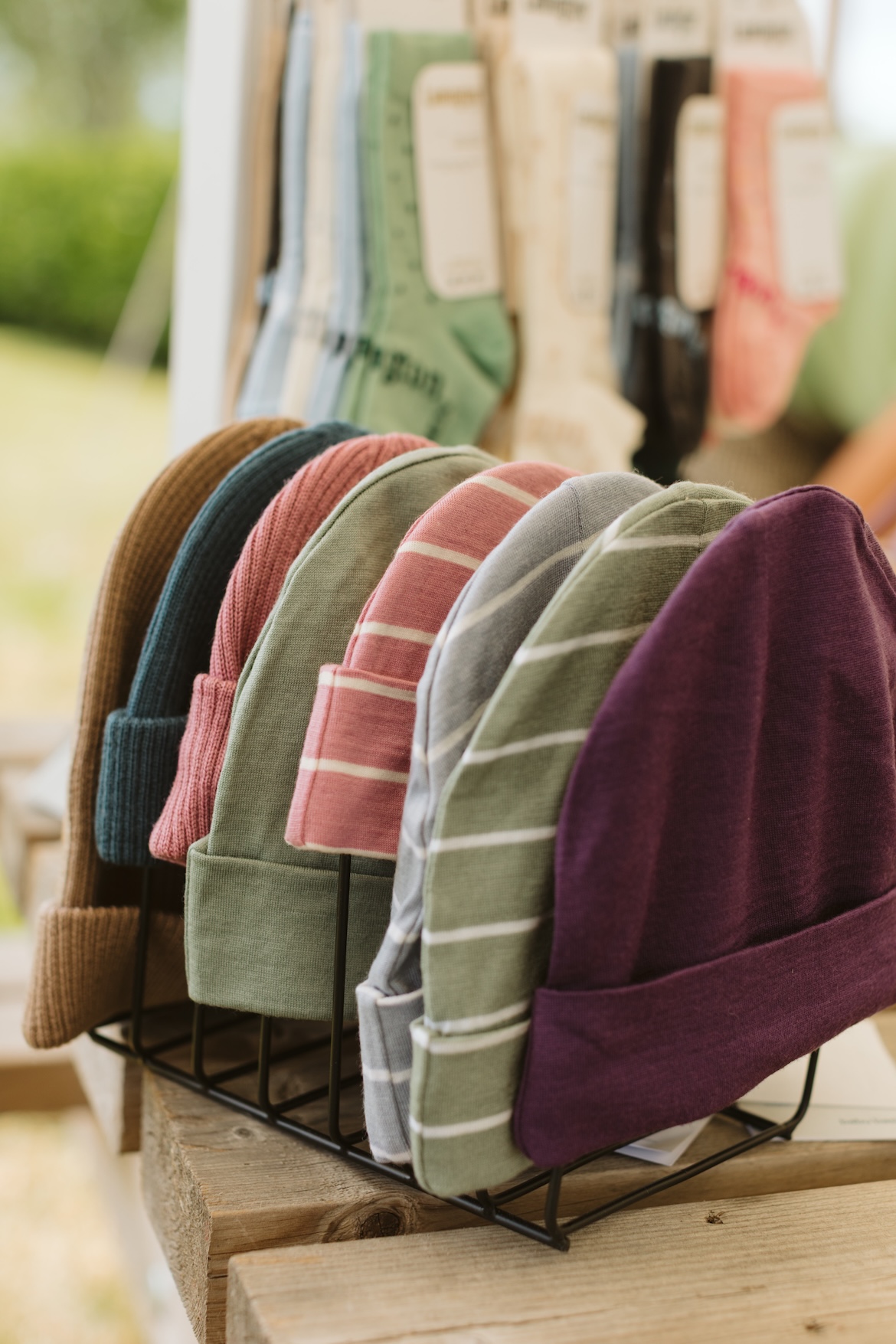
Busting the myths
One of the biggest misconceptions about wool is that it is always itchy. Thicker, coarser fibres that do not bend easily against the skin create the itchy sensation. Superfine merino fibres are much finer and more flexible.
“The fibres in a big woolly jumper or blanket can be nearly twice as thick as the superfine merino used by our brands,” Julia explains. “Merino bends easily, which is why it can feel soft, be lightweight and still keep you warm.”
Research by Dr. John Su (Monash University, Australia) and many others has also explored the use of superfine merino clothing for people with sensitive or eczema-prone skin, with positive results largely due to the thinner fibres and moisture management properties.
Then there is washing. Merino can be machine washed, but because wool naturally resists odour, it often doesn’t need washing after every wear.
“A smaller washing pile is always a bonus for families,” Julia laughs.
Merino is Julia’s firm favourite because so many of its useful properties occur naturally.
“It can sound almost too good when you start listing the benefits,” she says. “Temperature regulation, moisture management, odour resistance and natural flame resistance – but that’s nature for you.”
“Many of the properties that helped sheep cope with changing conditions continue to be useful when we wear the fibre. And because merino can be worn directly next to the skin, it can really do its thing,” says Julia.
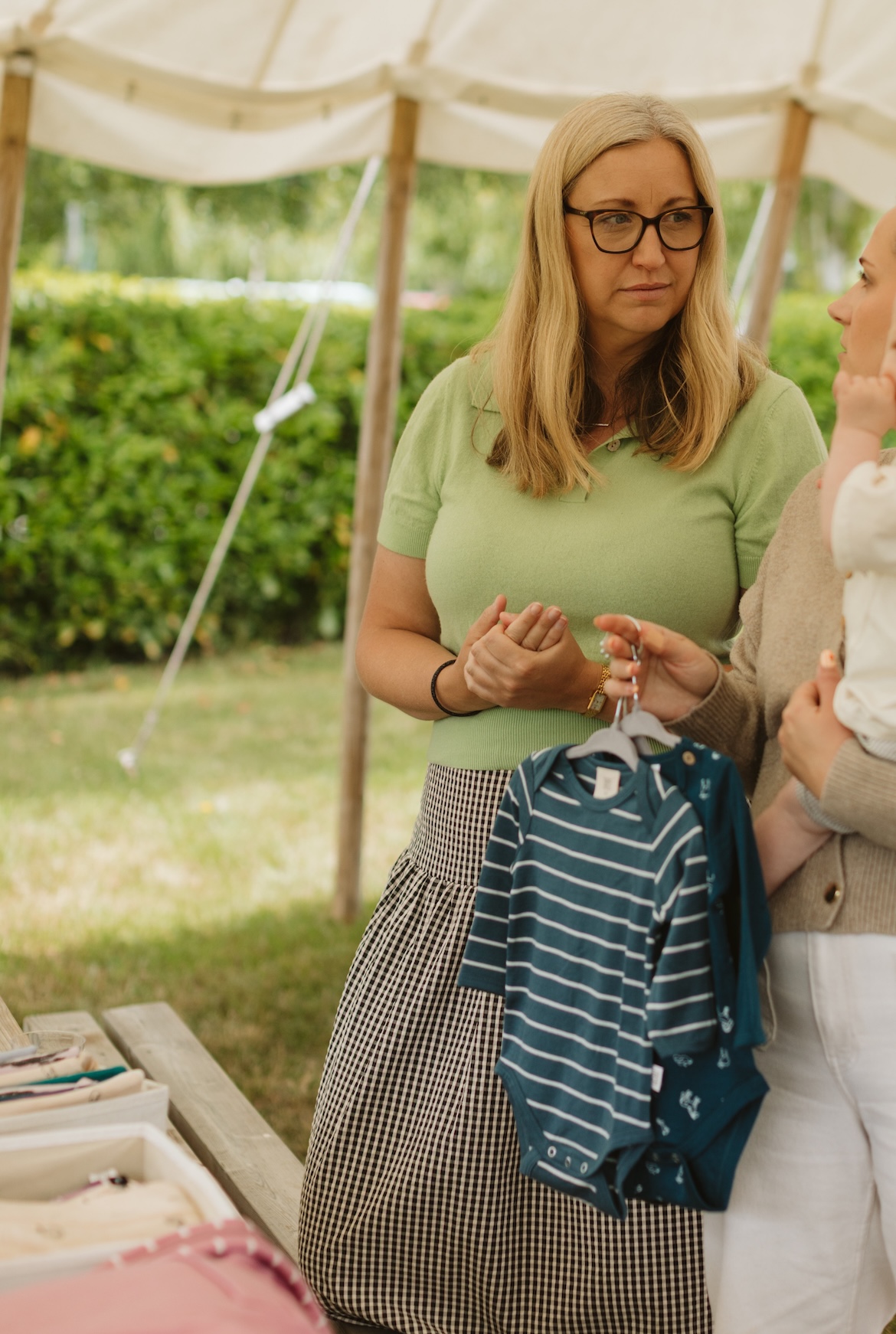
Family brands for real-life families
Julia chose to stock established, family-run brands, including some carrying certifications such as Woolmark and OEKO-TEX STANDARD 100.
Animal welfare and thoughtful approaches to materials and production are important considerations across the brands stocked by yes merino.
For babies and children, yes merino currently stocks Babu, Lamington, Sweet Cheeks Merino and Little Flock of Horrors. For adults, the collection includes everyday essentials from Merino 365 and Smalls Merino.
Durability matters too.
“Good merino can go through child after child,” Julia says. “I love seeing families buy useful pieces, wear them constantly and then pass them on. Adults often wear their favourite merino pieces for years too. They make brilliant wardrobe staples.”
At the end of its useful life, wool is also biodegradable and, in suitable conditions, can break down naturally and return nutrients to the soil.
Since launching, Julia has introduced merino to families at The Baby Show in London, parent meet-ups and independent markets, where being able to touch the fabric often changes perceptions immediately.
“Sheepskin pram liners have helped many British parents understand some of the benefits of wool,” she says. “Merino clothing feels like the natural next step.”
yes merino specialises in merino wool clothing for babies and children, alongside selected adult essentials. Explore the collection, book a personal shopping session with Julia at yes-merino.com, follow @yesyesmerino, or meet Julia at The Baby Show, Olympia London, 23-25 October 2026.
Photography: Rosie Goulding Photography