Dr Cheryl Rezek
After many ideas, frequent changes of ideas and endless attempts, it was time to give my witches’ hat and brewing cauldron an identity. The array of potions and lotions that filled any available space in the house was soon to be replaced with a new identity that had emerged over time. The muscle balms, the enticing aromatic balms and the tonics for every ailment were no longer the focal point. The bags and boxes of remarkable herbs and essential oils were stored away for personal use, and a new beginning was established – an allergen-free and nut-free skincare range.
With a strong move towards what is being termed ‘skinimalism’, a trend that promotes cleaner formulations, fewer ingredients and more sustainable skincare, consumers are looking to simplify their routines to avoid over-treating their skin. They want greater transparency about what is in products, any potential harm caused by ingredients and whether the claims made are truthful, as well as ethical sourcing of ingredients and their production methods. In the past, people tended to blindly trust that manufacturers had their best interests at heart (and those of the planet), so they neither sought to understand the incomprehensible list of ingredients on the back of products nor questioned their effects on their general health. Times have changed.
The more I read, researched and listened, the more I realised how limited skincare options are for those with allergies or sensitive skin, not only in skincare but also in the areas of clothing, laundry detergents, personal care products, aerosols and other similar items. For many, it is difficult to find products that don’t cause a reaction, whether it’s itchy skin, an outbreak of a skin condition, the need to rewash a set of clothes or to rush outside to get away from the sensory overload of fragrances.
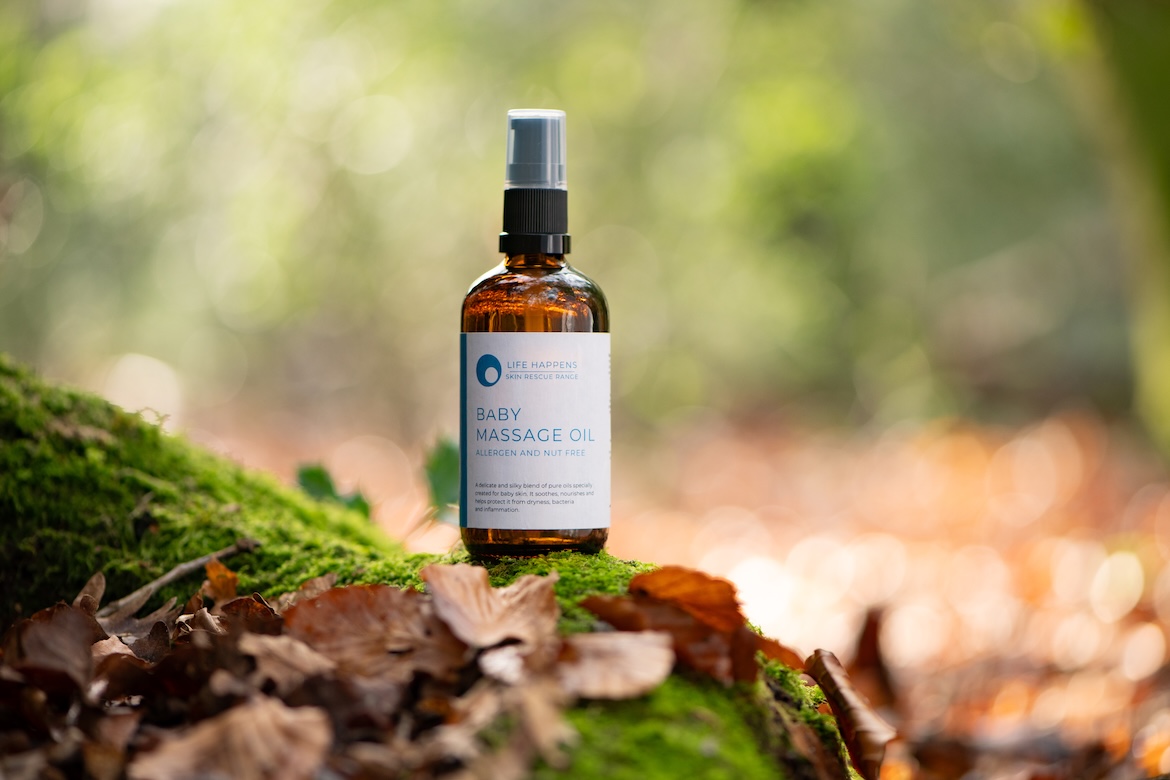
There are many hypoallergenic brands, but these are typically low in allergens rather than being allergen-free, and the term ‘dermatologically tested’ is vague. In turn, the term ‘allergen-free’ came with its own difficulties, as product safety checks (CPSRs) can state that there are no allergens present in the product, but here (in the UK), that only refers to the UK or EU list of known allergens. For me, this led to the important recognition that there will always be someone, somewhere, who is allergic to an ingredient, no matter how careful one is. So, with the best intentions, even these allergen-free products can contain an ingredient that can lead to an allergic reaction. The only way around this is to have clear and precise product ingredient lists and to urge people to patch test.
As karma for any and all unintended affronts to witches’ hats, brewing sticks and the universe in general, I took it upon myself to greatly increase the list of ingredients to be excluded. Such a move could only have been a hope that it would clear me of all unspent karmic payback from as many past lives as I could imagine. Creating waterless, clean, pure products without known allergens, nut oils, fragrances or essential oils, preservatives, phthalates, SLS/SLES, parabens, alcohol, petroleum/paraffin or any skin irritants was an ideal that turned into a series of challenges.
Where possible, I wanted the range to be ecologically friendly and sustainable too, and the idea of using upcycled seed oils held a lot of appeal, both for their wonders on the skin and for preventing waste. For me, seeds are the powerhouse of life, without which we wouldn’t survive, as they hold the key to life and contain life-enhancing properties. I knew it was possible to source high-quality and ethically sourced ingredients, but the expense was not something I had fully anticipated, nor had I anticipated the cost of containers and labels.
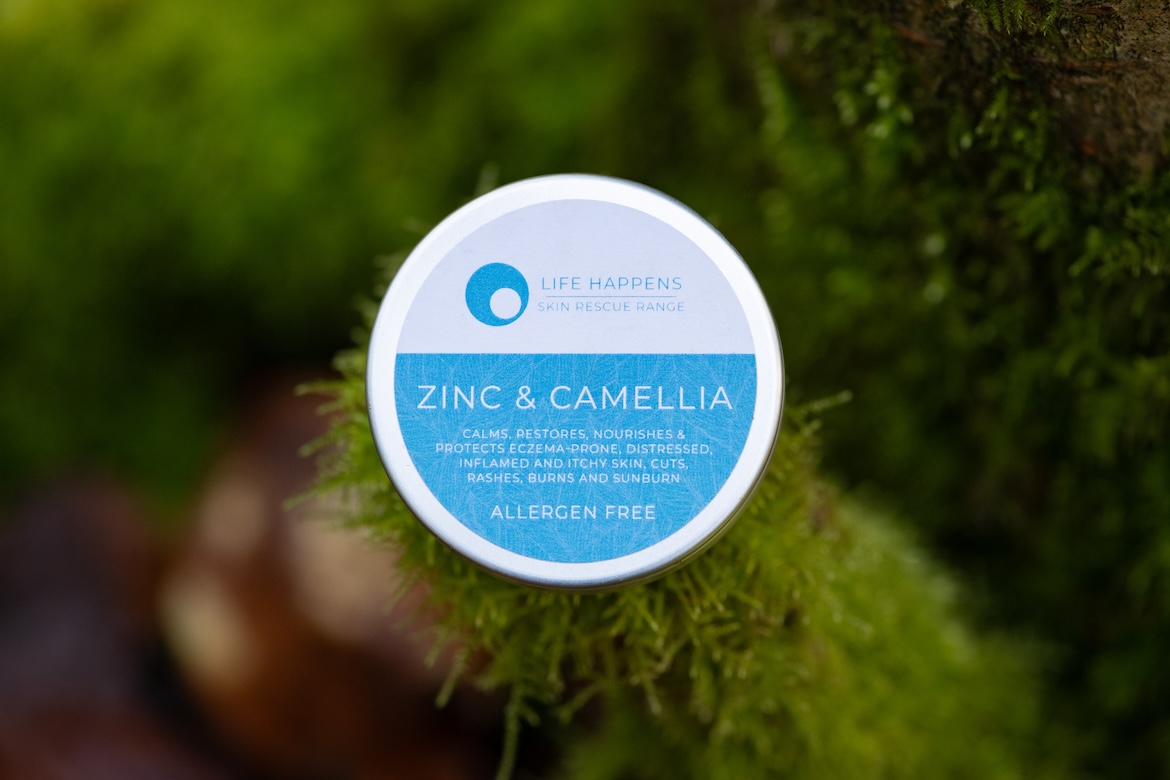
The first challenge of waterless products meant smaller containers but often higher costs, as there’s a much more concentrated product in the container. Psychologically, if you see a 500ml container for £20 and a 100ml bottle for £45, you’ll probably opt for the larger container at a cheaper price. The issue is the contents of those containers. Water is nearly always the first ingredient on the list, so that’ll be the ingredient with the highest volume. Remove that and all the other unwanted or expanding ingredients and you may be left with a small percentage of good, pure ingredients. With water comes the need for a preservative, some of which are fine and serve a good purpose, while others are synthetic, harsh and frequently unpleasant on the skin. Waterless products without preservatives, on the other hand, require greater attention to every ingredient chosen, as well as to the packaging, as without preservatives, products can quickly go rancid or deteriorate.
Opting for nut-free oils and butters certainly added a layer of challenge. Frequently used ingredients such as sweet almond oil, argan oil and even babassu, kokum and shea butters are derived from nuts. After considerable research, I chose to use refined shea butter, as there are no reported reactions to it (though caution is needed if one has a latex allergy), and the refining process removes the reactive proteins that could still be present in the unrefined version.
The first set of products I worked on was balms, which soon shattered any illusion I may have had that they were easier to make than those containing water. They aren’t complicated, but getting the consistency right, transferring the cooled liquid into containers before it unexpectedly becomes unpourable, or blending in ingredients such as zinc at exactly the right time were unanticipated difficulties. The urge to bin the countless containers of hard, mushy or strange-looking liquid was powerful, so, holding on to the ethos of less waste, many hours have been spent cleaning them for reuse during trials.
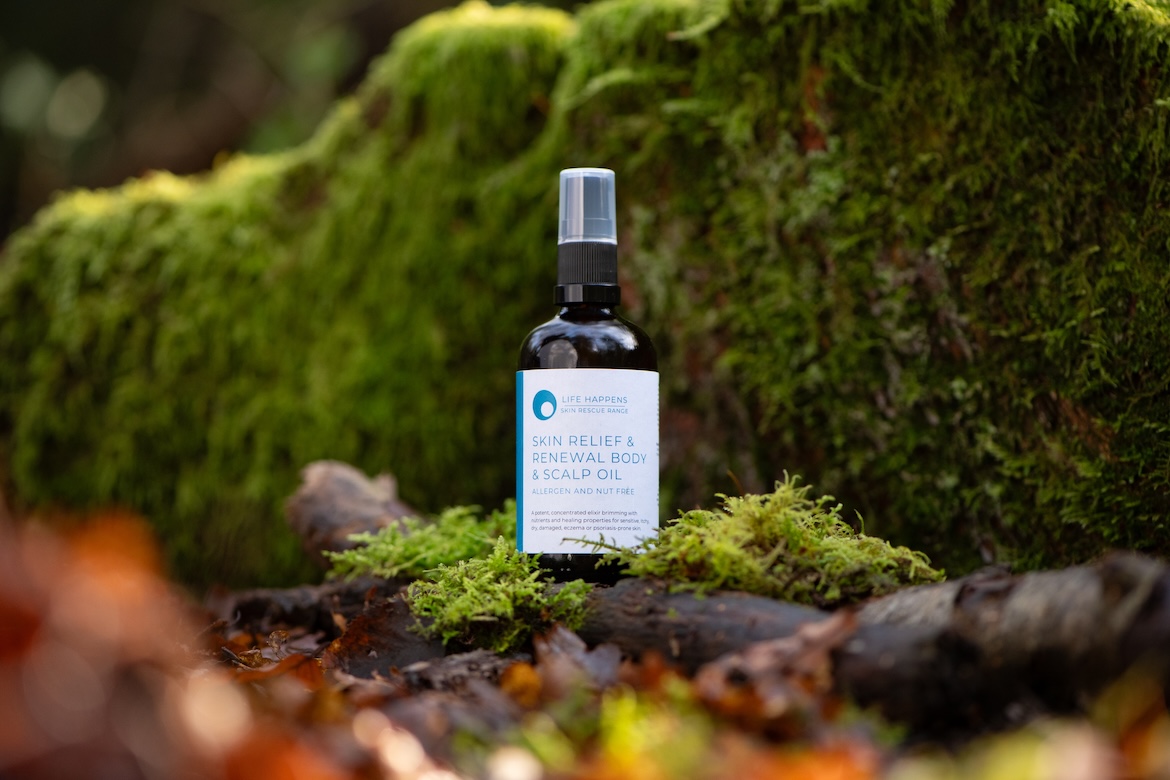
Once the waxy slope of balms was under control, and never being content with one challenge at a time, I turned my interest to body oils. The saving grace of oil-only products is that they don’t catch you unawares by turning solid in a moment, but they too have their challenges, as some ingredients are only water-soluble. With so many beautiful and exotic oils available, and each having a unique fatty acid profile and different benefits, it was continually tempting to seek out unusual or less-used oils, but these come at a cost, literally. Whereas some, no matter how lovely, are too expensive to use in any quantity in a medium-priced product range, others have been irresistible and found their way into the products.
Personally, I had previously avoided most balms and all face or body oils because I disliked the texture or the greasy feel, so an important challenge for me was ensuring my products were as smooth, absorbent and dry or non-greasy as possible. It’s almost a contradiction in terms to refer to an oil as non-greasy, but it is a real thing.
Perhaps the biggest challenge of all has been sticking to the allergen-free aspect, to the remit of a whole brand formulated for those with allergies and with sensitive and reactive skin, as the list of ingredients that fit the bill sometimes feels frustratingly small. It’s all those big ideas or small, wonderful, enhancing drops of something that you know will give the product an extra dimension that you can’t use, and that became a lesson in restraint. No inventive bio-tech, salmon DNA derivative or stem cell extraction; just simple skin barrier repairing and renewing oils and butters. Much of my work as a psychologist has included mindfulness, and it was this that allowed me to stay focused and to step back from the urges to add more or overstep the criteria.
An often-overlooked aspect in skincare is that of singular purpose: a product for this and a different product for that. I wanted the products in my range to be multipurpose or multiuse, which I felt was necessary if I was to maintain the ethos of protecting our depleted resources and reducing excess. Each product can be used for more than one purpose and by all genders; many can be used by children too. If these waterless balms or oil products can save on water (creams and lotions are water-dense), assist with more than one issue (thereby saving on the need for additional products) and are long-lasting due to being so concentrated, then this cuts waste, saves money and helps to protect precious resources.
In more recent years, the link between the skin and the gut has come to the fore. More recently, this has expanded to include the skin-gut-brain axis. This not only starts to address the physiological interplay between these factors, but also the psychological impact, as the brain and nervous system are so interconnected, as are all other systems within us. When we’re stressed, our brain signals for cortisol and adrenaline to be excreted, which impacts our bodily functions, heart, lungs and muscles. The body needs to regulate itself so it will eventually secrete noradrenaline to reduce the adrenaline and cortisol quantities and restore the system to equilibrium, but with this can come a drop in mood and tiredness. Ongoing stress compromises our organs, our overall wellbeing and our immune system, which impacts the skin and gut microbiome systems and the body’s ability to fight unwanted organisms. This, in turn, affects our mood and resilience. Consequently, there is a constant and dynamic interplay between the various systems of the mind and the body, so what is happening with a compromised skin barrier, a baby’s nappy rash or itchy menopausal skin are all symptoms of a complex system between the skin and what is going on inside the body. These systems are interfered with, and altered, even in infants, by commonly used skin and household products.
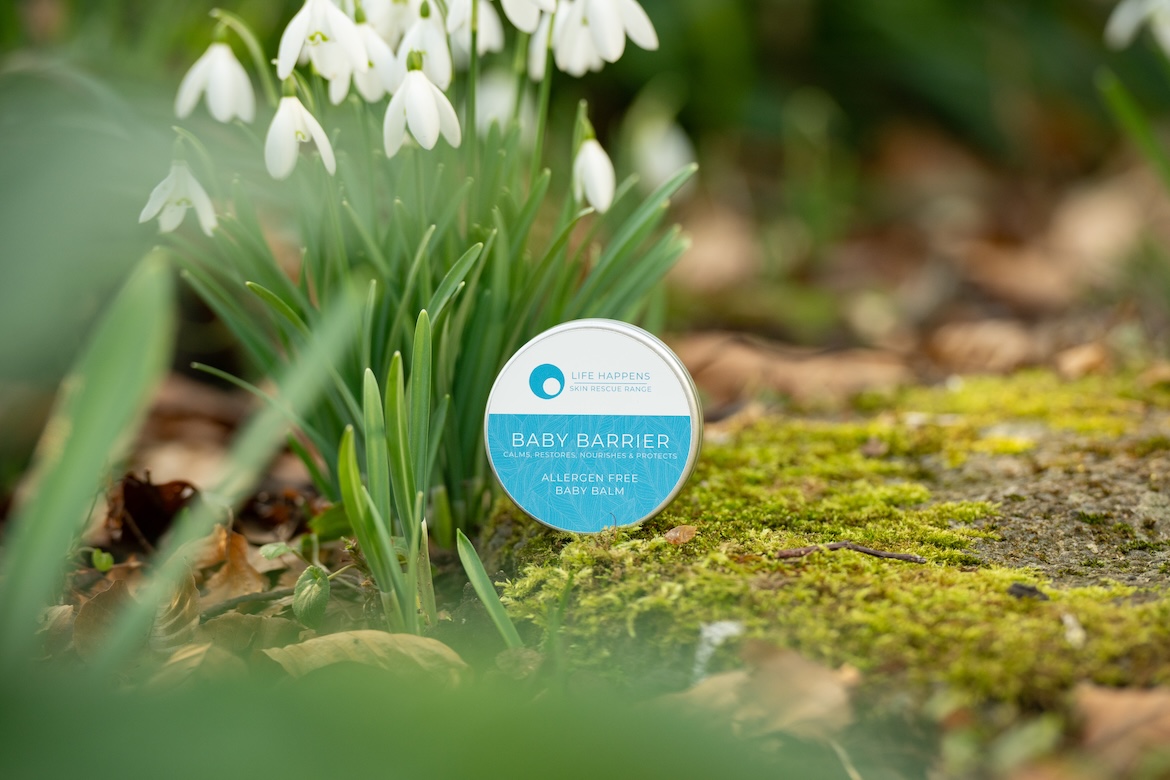
At its core, the Life Happens Skin Rescue range is about allergy-safe, natural skin barrier repair and general skin health, with each ingredient chosen to prioritise this. This fits easily into a move away from harsh, skin-irritating ingredients to those that repair and maintain the essential skin barrier, no matter at what age. It also means that the products can readily be used by those without sensitive skin issues but who enjoy the quality, purity and efficacy of the products, as well as the brand’s ethos.
It aligns with several key movements towards making informed choices about what we purchase for ourselves, our children and our wider circle. With its focus on sustainability, simplicity and being multipurpose, it emphasises the importance of how skin issues like eczema, psoriasis, nappy rash, burns, sunburn, itchy scalps, dry menopausal skin or a scratchy face can be helped in a gentle, effective and natural way. The brand has received considerable industry recognition, with 9 Free From Skincare Awards, two Editor’s Choice Awards and a Bronze in Teen Skincare, which highlights its commitment and strengths.
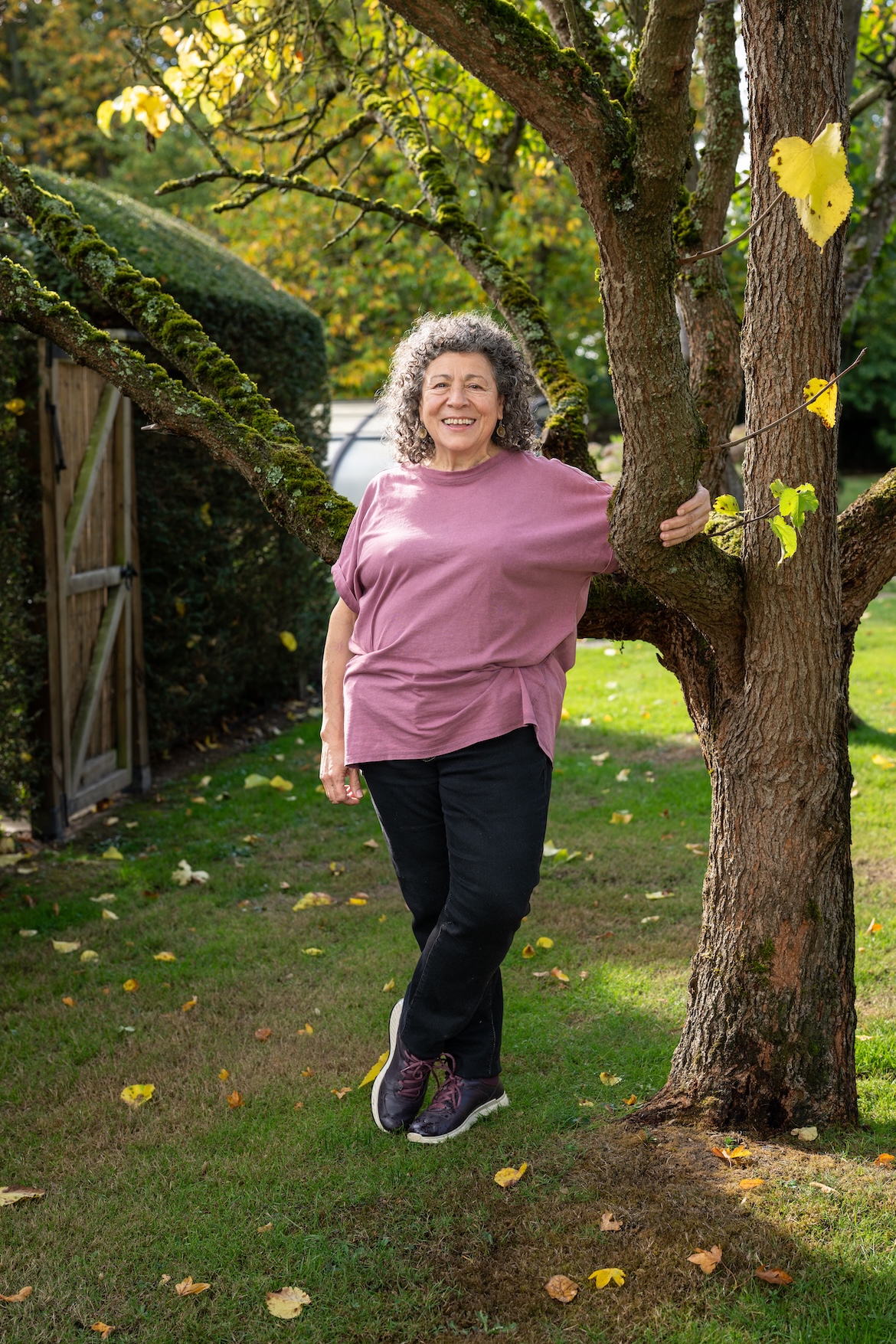
Dr Cheryl Rezek is a consultant clinical psychologist, author and mindfulness teacher who works from the premise of people being a series of integrated biopsychosocial systems that function as one, rather than being separate pieces, i.e. we are mind and body, not mind or body. She has shifted her focus to developing sustainable, natural, multipurpose and ethically sourced skincare products that can be used by those with allergies, sensitive and problem skin, as well as anyone looking for soothing, effective and purposeful products for the whole family. Visit lifehappensskinrescue.com to find out more, and follow them on Facebook and Instagram.