
I’m an accountant by nature, if not always by trade. Before I was ever a mum, I was the kind of person who kept spreadsheets for fun. So when I found out I was expecting my first baby, of course I built one. I called it Newborn Checklist: every item you actually need, every brand I’d tried and loved, all sorted, filtered and colour-coded. I shared it with a couple of friends who were expecting too. Then it kept getting shared. By the time I was pregnant with my second, half the mums I knew in London seemed to have a copy of Newborn Checklist open in a browser tab somewhere.
Second time round, I thought planning would be easier. It wasn’t. London changes fast, and finding reliable, up-to-date information about anything from baby classes to which café actually has baby-changing facilities was just as hard as the first time. My husband and I spent hours trawling the internet trying to work it out, the way we had the first time. There’s a specific kind of tired that comes from standing on a pavement in South London, a toddler mid-meltdown, both of you scrolling for somewhere nearby with a baby change and not finding one in time. It’s not a dramatic story. It’s just Saturday for most parents.
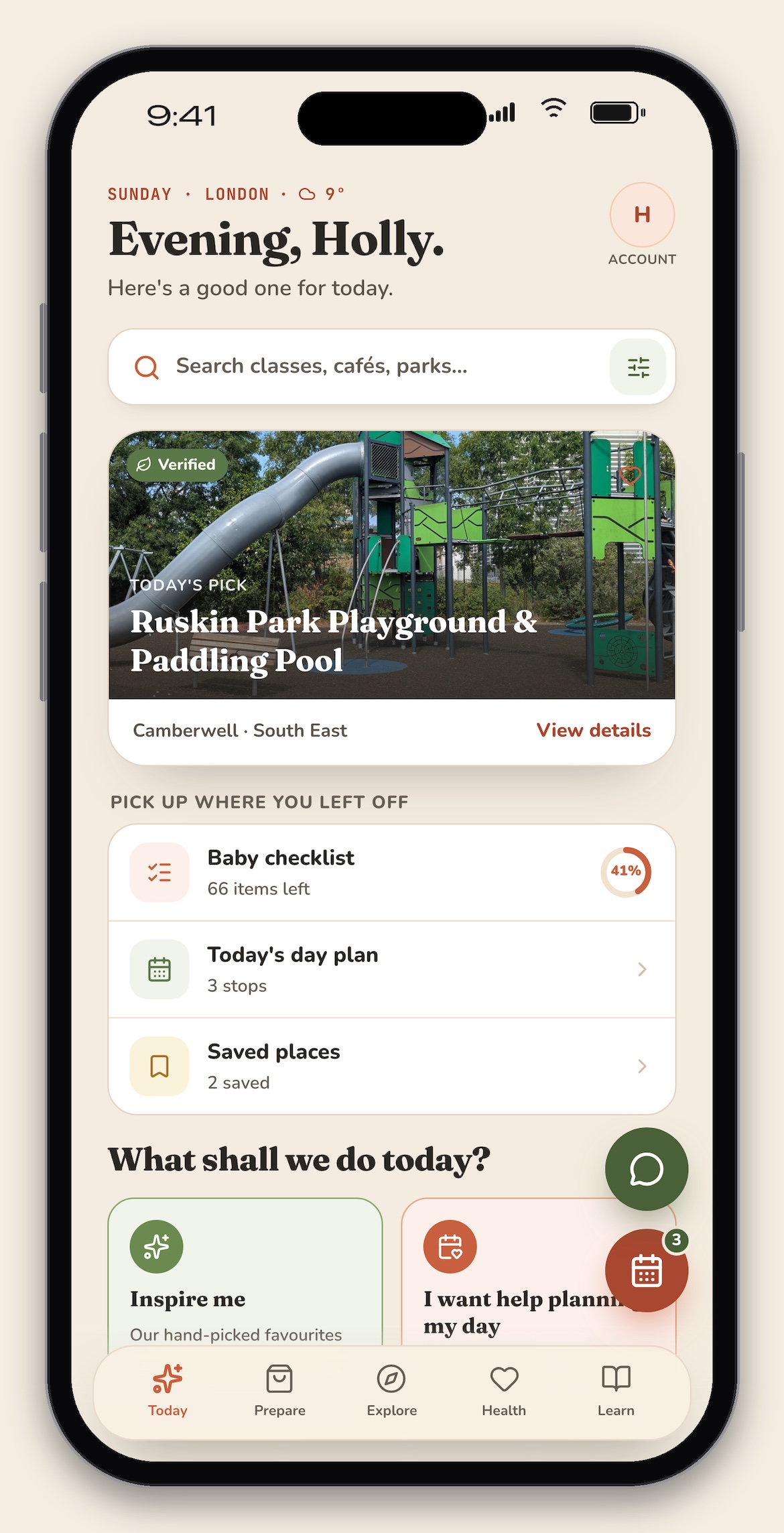
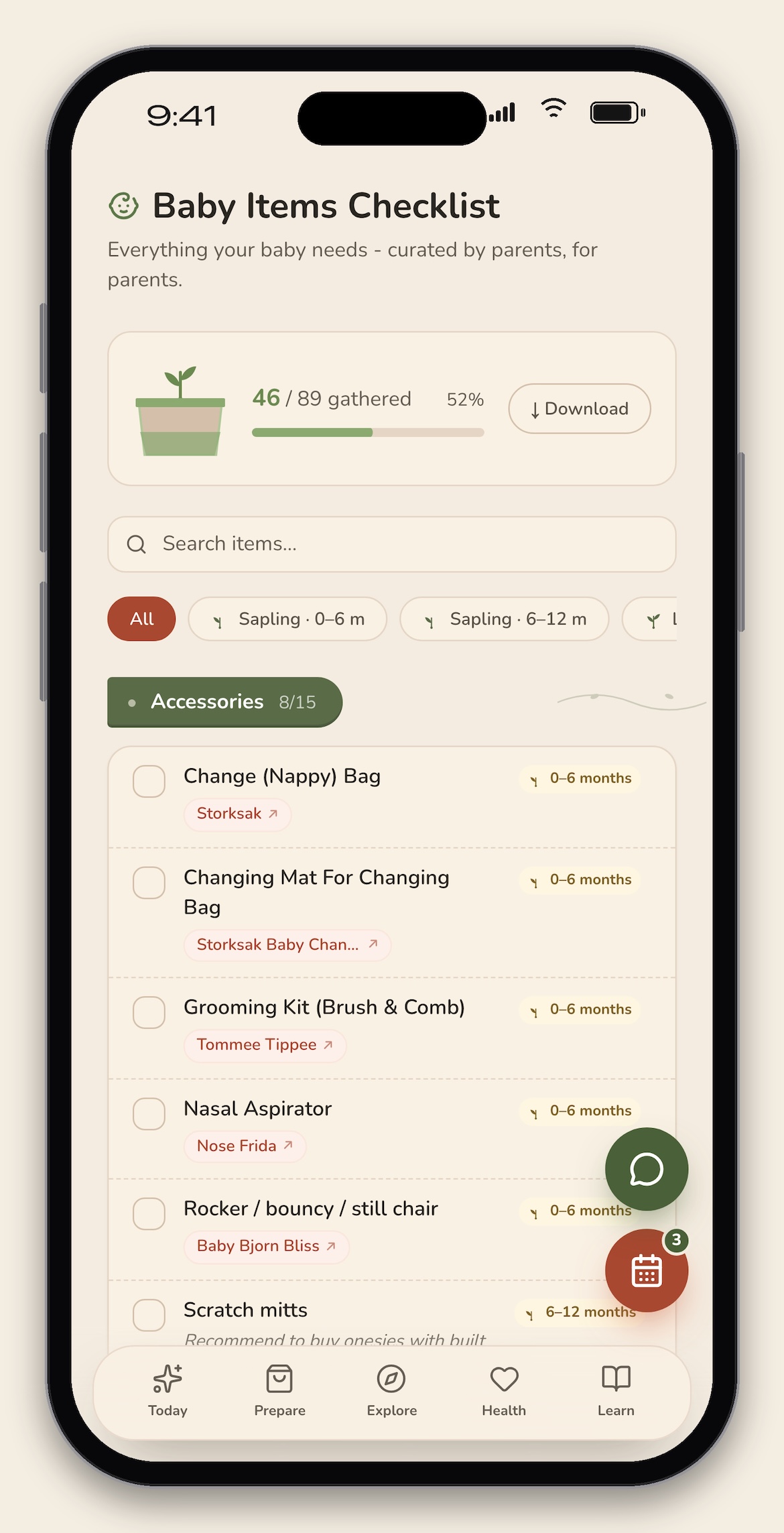
What was different this time was the AI wave landing right in the middle of it. A friend of mine looked at my spreadsheet that I’d been maintaining and re-sharing for years by that point and asked, “Why don’t you put this on a website? I can show you.” I’d never written a line of code in my life. But that conversation was the start of Little Sprout: the spreadsheet, the class recommendations, the list of which parks had shade, the baby-change locations – everything I’d been juggling across browser tabs, brought into one place.
While I understand the concerns around AI, I don’t think the story always has to be about what it takes away from people. For me, it was the opposite. It didn’t hand me a shortcut; it handed me the means to actually build the thing I’d been wishing existed for years. No developer, no technical co-founder, no funding. Just a problem I understood because I was living it and, for the first time, a way to actually solve it myself.
The other thing that shaped Little Sprout came from maternity leave itself. As all parents know, when you’re on leave with a baby, you’re not really in control of your own schedule. Your baby is. That’s disorienting if, like me, you’re used to structure.
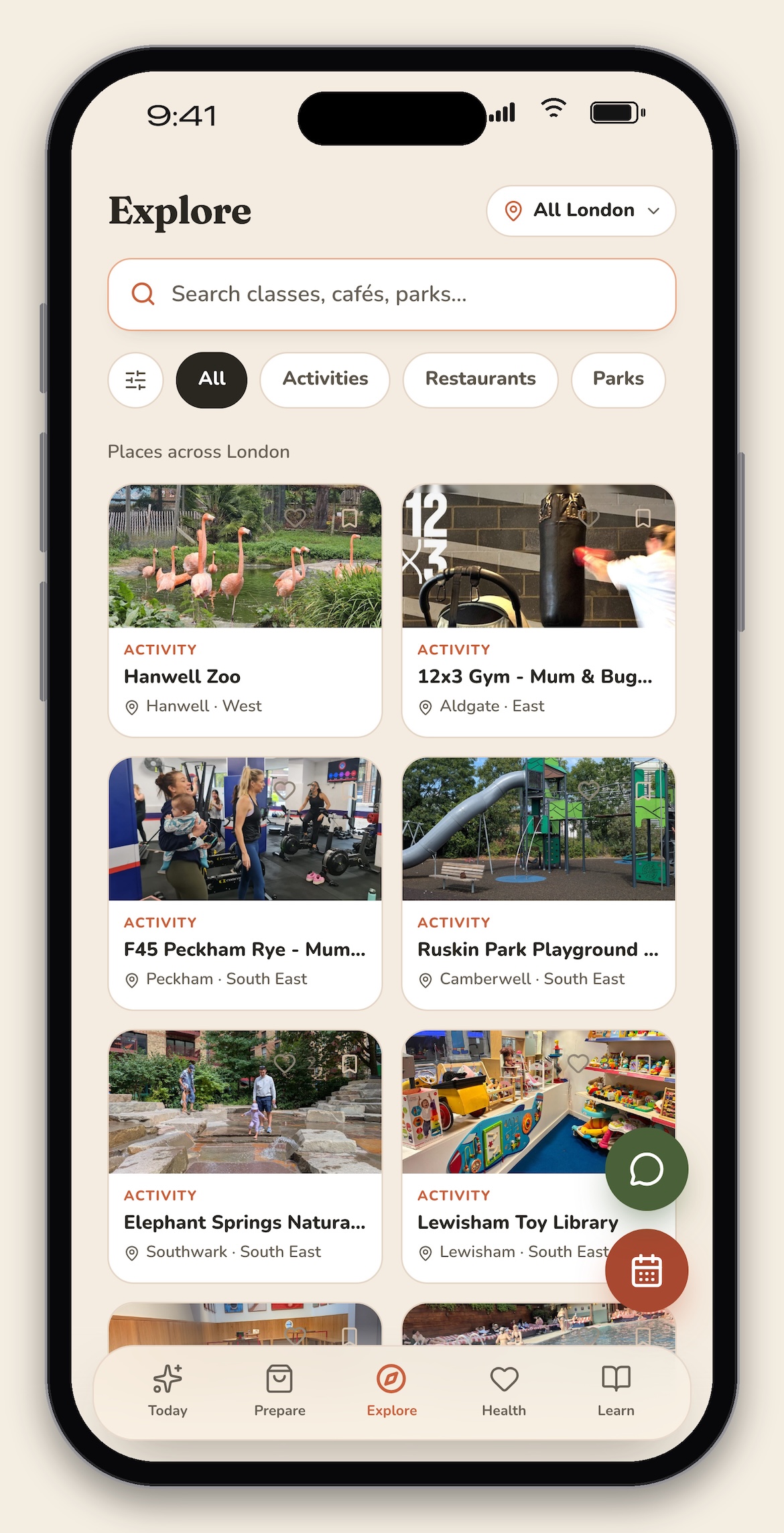
What got me through both maternity leaves was mum-and-baby fitness classes: 12×3’s mum and baby boxing, and F45 Peckham, which has a sitter on hand so you can actually do the workout instead of stopping every five minutes to check on the baby. Before I had children, I trained in martial arts, so boxing at 12×3 was the one thing that really brought me back to myself. It wasn’t just exercise; it was something I used to be before I became “Mum”. I’m a genuinely active person, and I’m happiest when I’ve been able to move. Getting an hour where I felt like myself again mattered more than I expected it to.
Those classes were also a great way to meet other mums, including the trainers themselves. They weren’t just a workout squeezed in around a baby, but the start of real friendships.
It also opened up something I hadn’t expected: a whole community of parents who wanted to help other parents. That’s the same instinct that made my spreadsheet spread in the first place, and it’s the instinct Little Sprout is built on. The mental load of parenting is real, especially for parents juggling a full-time job, multiple kids to feed, transport and entertain, and a household on top of it. Nobody solves all of that with one app. But taking even a small piece of that mental load away, so you’re not the one holding every detail in your head, helps.
I also really notice the difference at places that are actually designed with children and parents in mind. I discovered Roam Community Cafe in Vauxhall recently, and you can feel the care that went into the play space there. It wasn’t an afterthought bolted onto a café; it was designed with real intention from the start. Those are the places I want Little Sprout to be pointing people towards.
Between the mum friends, the trainers and businesses like Roam, I kept coming back to the same question: how could I give something back to this community of parents and the businesses that show up for them? Little Sprout became my way of doing that.
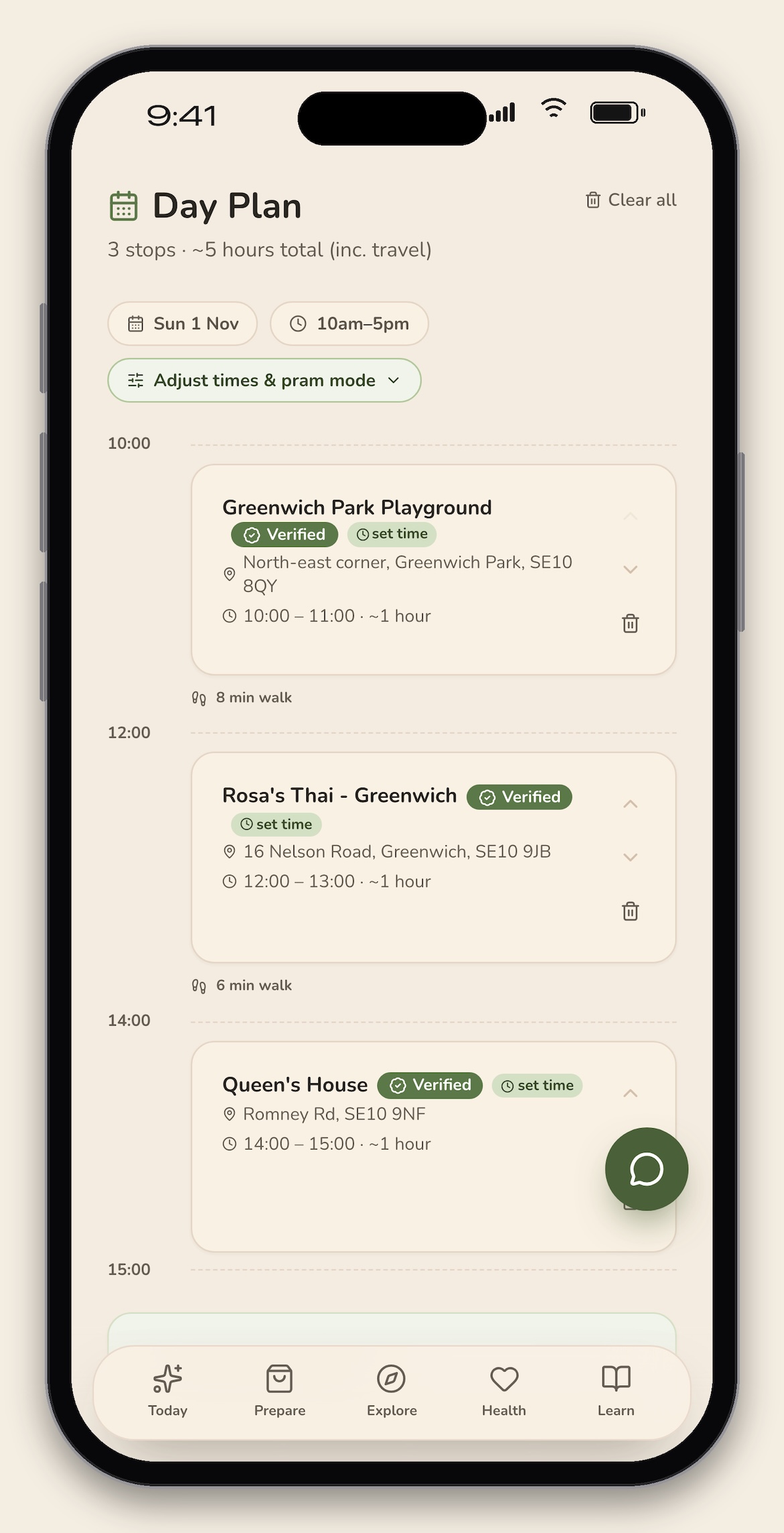
That’s what Little Sprout actually does. You pick whatever’s already fixed for your day – a restaurant, an activity or a postcode – and Little Sprout builds the rest around it: nearby playgrounds, baby-changing facilities, shaded spots for nap time and realistic timings, so you’re not the one doing the mental maths to work out whether it will all fit before the next nap.
Places like Roam get a Little Sprout Verified badge, and the ones I’d send a friend to without hesitating end up on Little Sprout Picks. These are certified places I’ve actually visited with my own kids, rather than recommendations pulled from a review site.
There’s a baby checklist you can tick off and download, and day planning that finds an activity, a restaurant and a park all within walking distance of one another, saving you from piecing it together from six different tabs. There’s a place to track your baby’s milestones and vaccinations. And because so much of what helped me came from other parents, there’s a curated list of the apps, books and Instagram accounts that were genuinely useful to me, both as a parent-to-be and as a parent of young children.
Little Sprout is free to use, and it’s designed to grow the way a family does. As my own children grow, it will too.
Little Sprout is now live on the App Store and Google Play, alongside the free website at littlesproutlondon.com. You can also follow Little Sprout on Instagram.