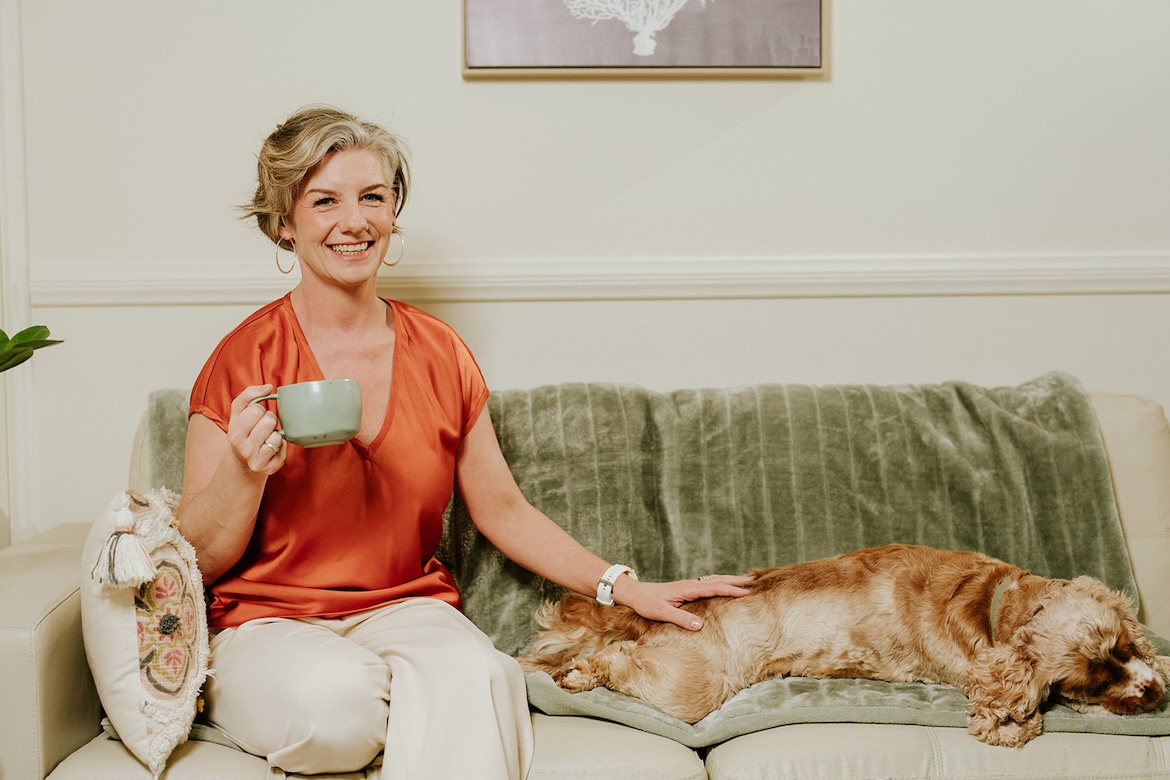
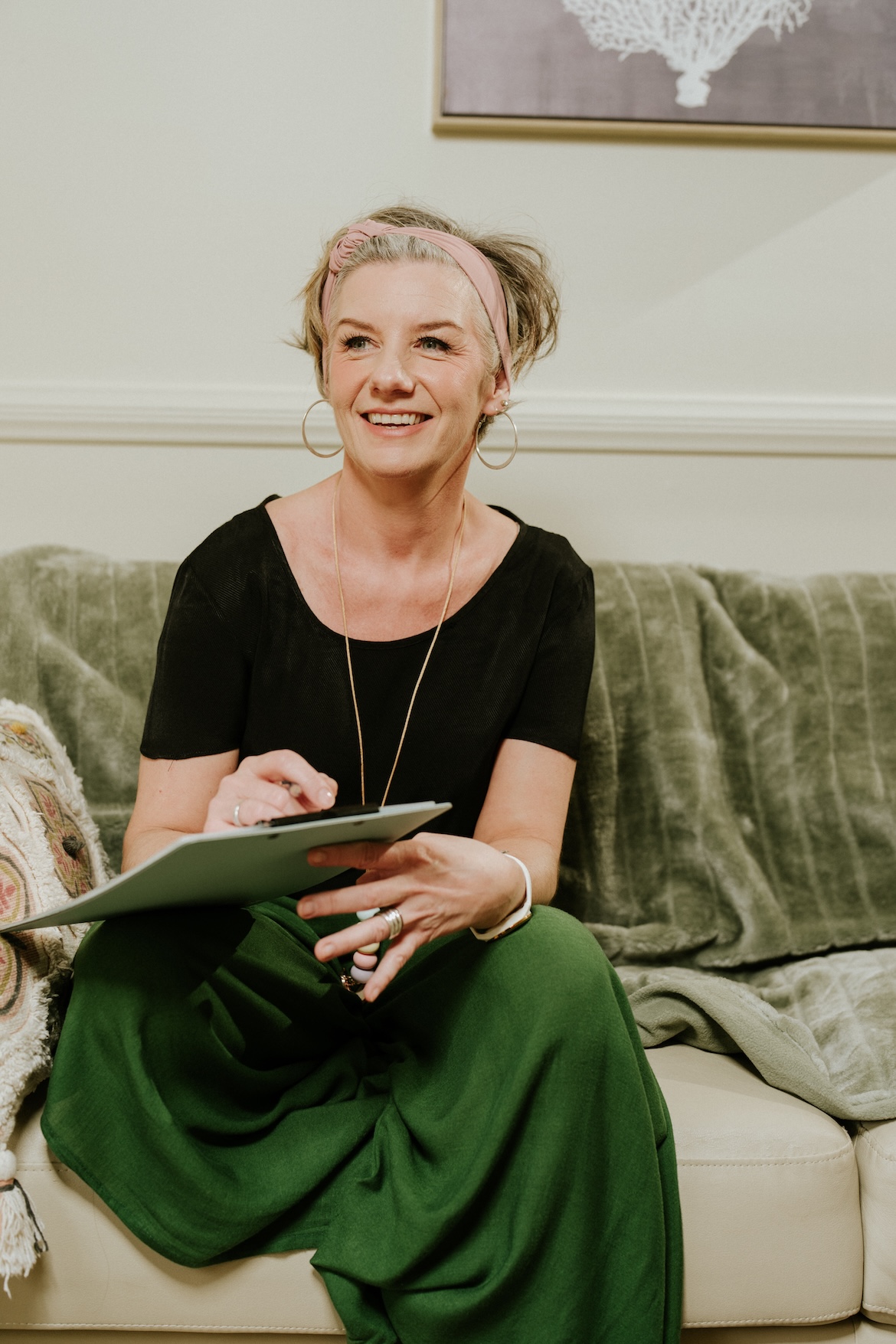
For Tracy Proud, founder of Nest Psychotherapy & Counselling, supporting families has never been just about helping people through difficult moments; it’s about creating healthier futures for generations to come. Drawing on both her professional expertise as a therapist and her own lived experience of postnatal depression and trauma recovery, Tracy has built a practice centred on attachment, emotional safety and meaningful connection. Through therapy, relationship retreats and educational resources, she’s passionate about helping parents strengthen their relationships, nurture resilient families and create homes where children can thrive. Here, she talks to The Natural Parent Magazine about the inspiration behind her work, her biggest breakthrough, the challenges she has overcome, and her hopes and dreams for the future.
The Passion: What inspired you to set up your business?
Like many therapists, my path into this work was deeply personal. While I had experienced the benefits of therapy at different times throughout my life and had always been fascinated by human behaviour and relationships, it wasn’t until I became a mum that everything I thought I understood took on an entirely new meaning.
Around ten days after the birth of my first child, I found myself experiencing severe postnatal depression, alongside the resurfacing of unresolved childhood trauma that I hadn’t fully understood at the time. What I had expected to be one of the happiest seasons of my life instead became one of the most difficult.
For the next two years, I sat in my therapist’s room every single week. That hour became my anchor. It was a place where I slowly learnt to understand my story with compassion rather than shame. I began to recognise how my early attachment experiences had shaped the way I saw myself, responded to stress and connected with the people I loved most. Therapy didn’t erase what had happened to me, but it gave me the safety to heal, understand my nervous system and begin creating a different future.
As I learnt more about attachment theory and trauma, I became fascinated by the extraordinary ripple effect healthy relationships have across an entire family. Secure attachment isn’t simply about the relationship between a parent and child. It begins with the emotional wellbeing of the adults, the quality of their relationship and the emotional climate within the home.
That became the foundation of Nest Psychotherapy & Counselling. I wanted to create a place where people could heal, not just for themselves, but for the people they love. Every time we help parents understand themselves more deeply, strengthen their relationship and create emotional safety, we are also shaping the environment in which children learn what love, trust and connection look like.
I often say that I don’t just work with couples. I work with future generations. Every time a parent learns to repair after conflict, regulate their emotions or create emotional safety in their relationship, their children are quietly learning what love feels like. To me, that’s where real change begins.
The Launch: How did you start out in the beginning?
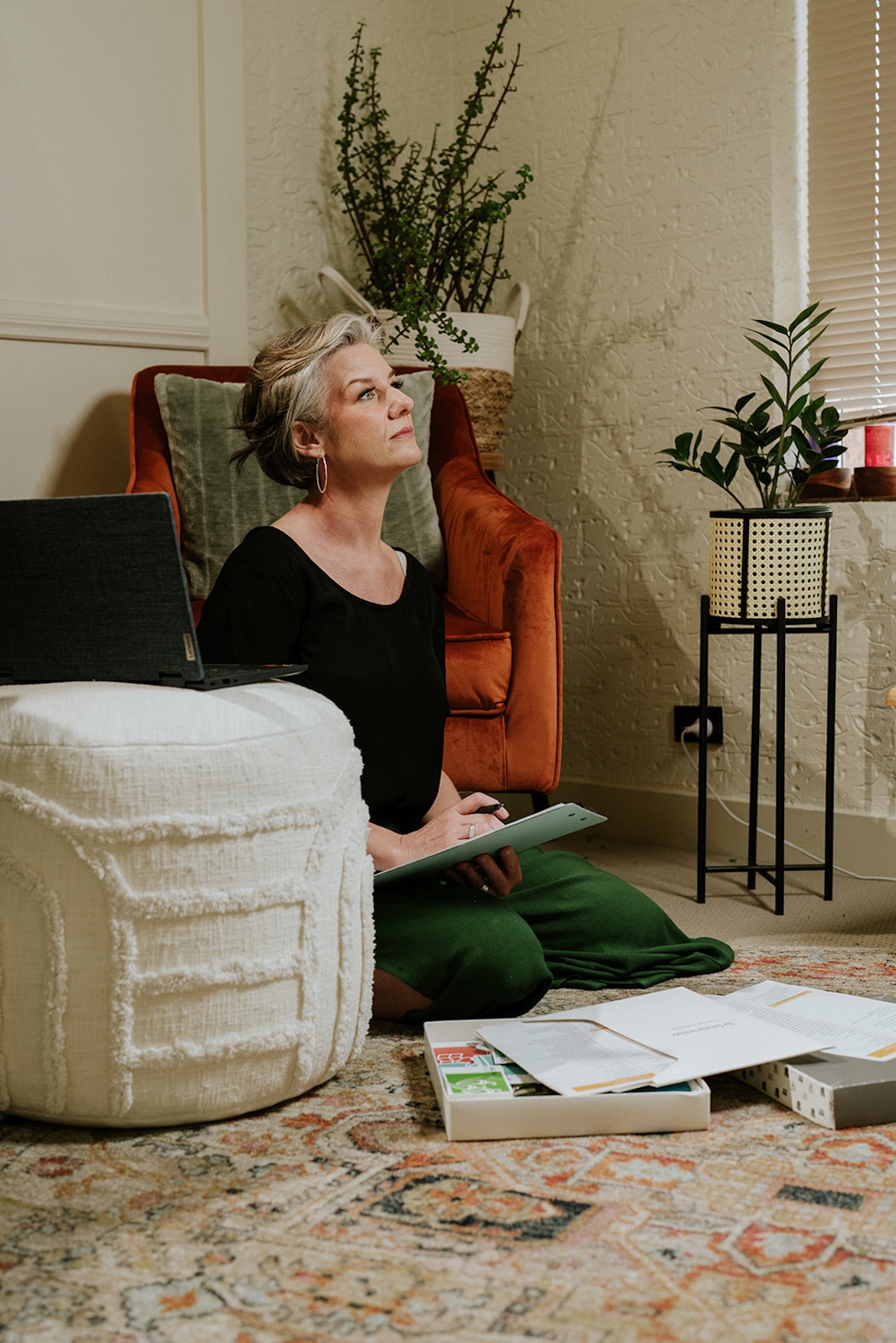
Nest began with one room and one simple vision. I wanted therapy to feel different. Less clinical, less intimidating and more like walking into a space where you could finally exhale.
I believed people deserved evidence-based therapy delivered with warmth, curiosity and compassion. I wasn’t interested in creating a practice where people felt like a diagnosis or an appointment in a diary. I wanted them to feel genuinely known.
Like many small business owners, I learnt every part of running a business as I went. I wore every hat imaginable while growing the practice through trust, relationships and word of mouth. Although Nest has grown, the heart of it has never changed. Every decision still comes back to one question: ‘Will this help families experience greater connection, safety and hope?’.
The Innovation: What was the biggest breakthrough for you with your business?
Working with couples, I realised the traditional one-hour therapy model wasn’t always enough. People weren’t lacking motivation; they were exhausted by work, parenting and life.
Instead of asking how I could help couples communicate better, I started asking what actually gets in the way of connection. That curiosity led me deeper into attachment science, emotionally focused therapy and the neuroscience of relationships. I realised most couples don’t stop loving each other. They become trapped in protective patterns formed long before they met.
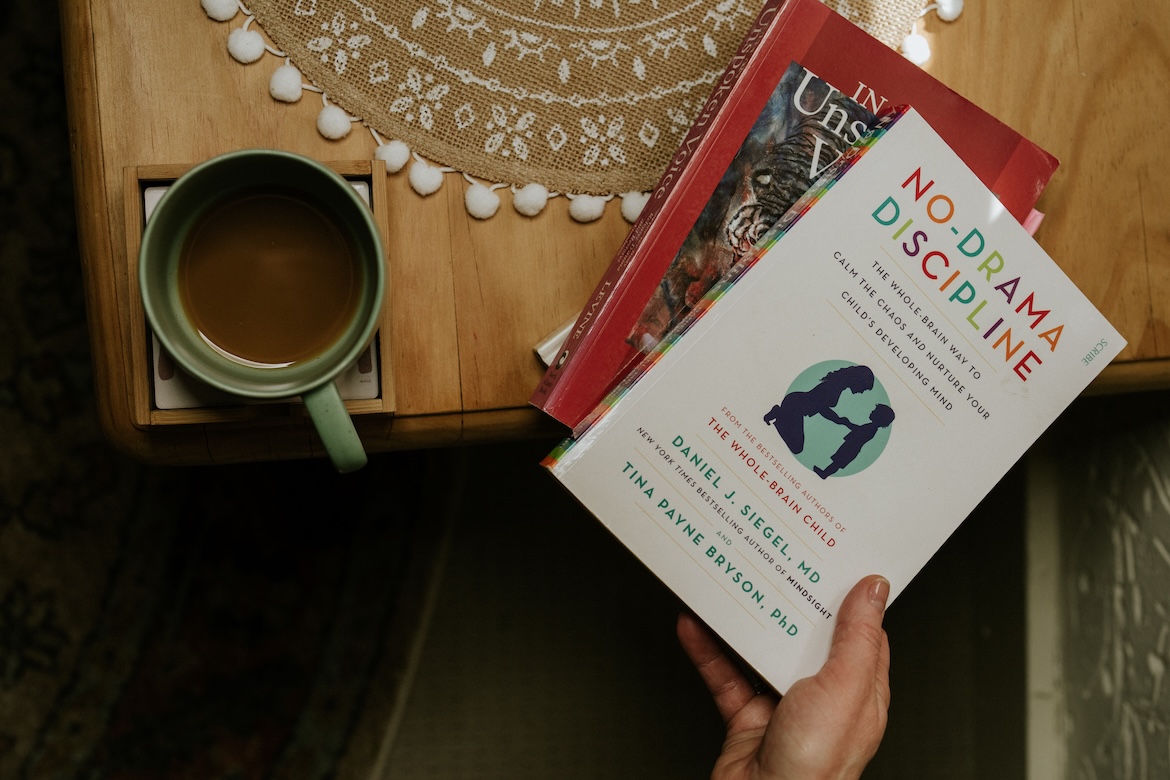
That understanding inspired me to create The Relationship Retreat, giving couples the time and space to step away from everyday life and do the deeper work together. Alongside this, I’ve developed relationship resources because I believe relationship education shouldn’t only be available once people reach crisis.
The greatest breakthrough isn’t the program itself. It’s watching the ripple effect. When parents create emotional safety in their relationship, children quietly learn what healthy love looks like.
Yin and Yang: How do you balance work and family?
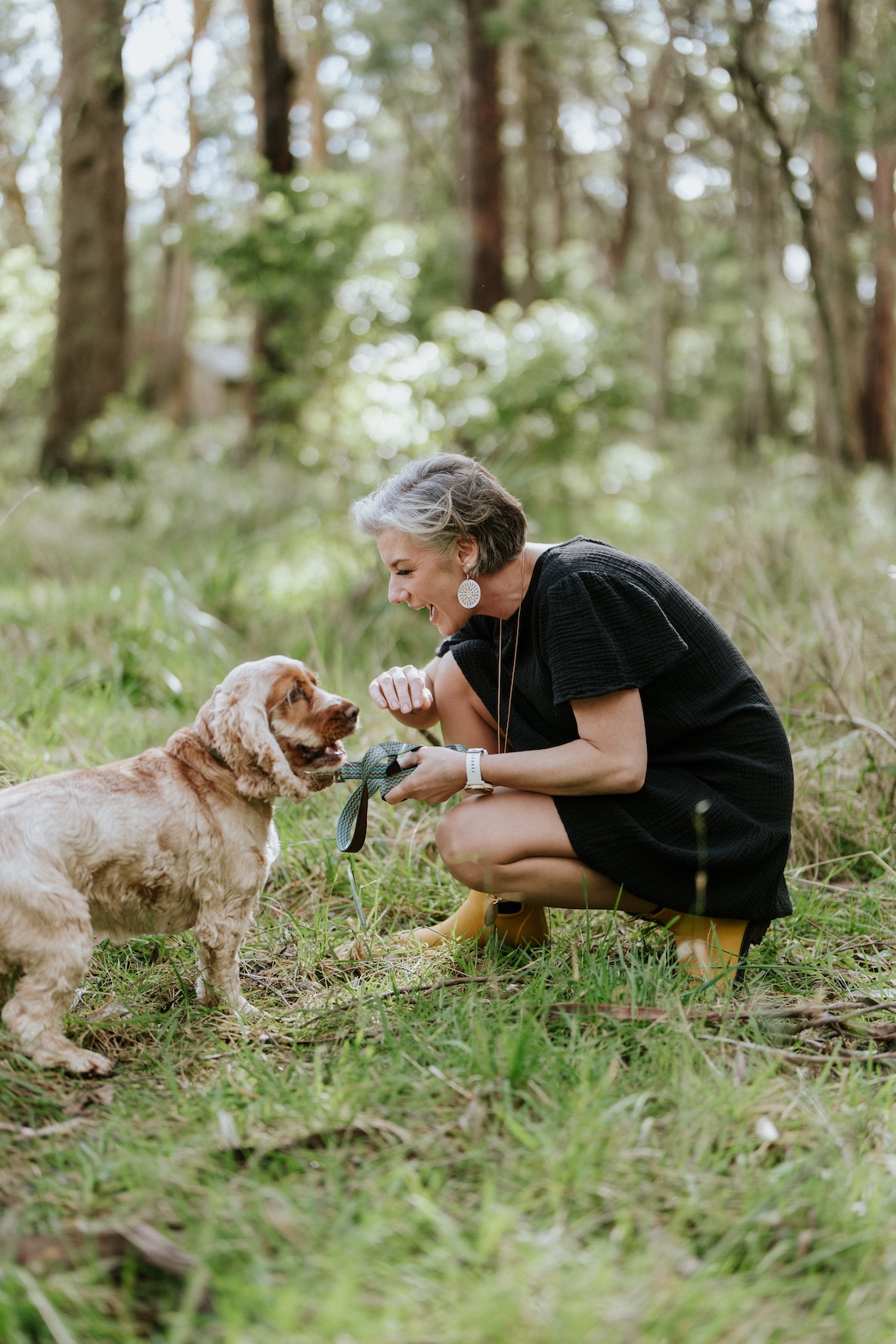
I don’t think balance is something we ever achieve perfectly. Rather than striving for perfect balance, I’ve learnt to be intentional about being present wherever I am.
Becoming a mum didn’t just change my personal life; it transformed my professional one too. It gave me a lived understanding of just how vulnerable the transition to parenthood can be, how easily our own childhood experiences can resurface, and how much courage it takes to ask for help. I know what it’s like to love your family fiercely while also feeling overwhelmed by your own nervous system, and that has deepened my compassion for every family I work with.
Living in a wonderfully neurodiverse family has also taught me that there is no one-size-fits-all approach to relationships or parenting. At the end of the day, I don’t hope my children remember how hard I worked. I hope they remember that they felt loved, emotionally safe and deeply connected.
The Drive: What challenges have you overcome?
Building a business while raising a family has stretched me in every possible way. There have been seasons of grief, self-doubt, exhaustion and uncertainty alongside the privilege of supporting people through some of the most vulnerable moments of their lives.
Perhaps my greatest challenge has been learning that I don’t have to do everything myself. I’ve had to build systems, trust an incredible team and let go of perfectionism.
Looking back now, I’m grateful for my own journey. It taught me that healing isn’t about becoming a different person. It’s about understanding yourself well enough that your past no longer dictates your future. That belief sits at the heart of every conversation I have with my clients.
For Better or Worse: What are the pros and cons of running your own business?
The greatest privilege is knowing this work has the potential to change not just one relationship, but an entire family system. Some of the most meaningful moments are the quiet ones, when a couple truly begins to see each other differently or a parent starts understanding their child through the lens of attachment rather than behaviour.
Owning my own practice has also given me the freedom to innovate and create services that genuinely meet families where they are.
The challenge is wearing many hats. Therapist, leader, mentor, strategist and business owner. The responsibility can feel heavy because you care deeply, but I wouldn’t trade it. Nest has never been about building a successful business. It’s about creating a place where people feel safe enough to heal, reconnect and create healthier futures for themselves and the people they love.
Hopes and Dreams: What next?
While I hope Nest continues to grow, my vision has always been much bigger than the practice itself.
My dream is to see relationship education become as normal as parenting education. We prepare people for birth, feeding and school readiness, yet we spend very little time helping them understand attachment, emotional safety, conflict repair and healthy adult relationships. These are the foundations that shape the emotional climate children grow up in.
Over the coming years I’d love to continue developing retreats, workshops, books and online resources that make evidence-based relationship education more accessible. Not everyone will walk through the doors of a therapy practice, but everyone deserves access to tools that help them build healthier relationships.
If I can contribute, even in a small way, to creating more homes where children grow up feeling emotionally safe, deeply loved and secure, I’ll consider that a meaningful legacy.
Visit nestcounselling.com.au to find out more, and connect with them on Instagram and Facebook.