Most people are familiar with homeopathy for the basics such as teething, earaches, mastitis, coughs and other everyday concerns that come with raising children.
What is less widely understood is just how far homeopathy can go beyond these acute or first aid situations, supporting wider patterns of health and wellbeing over time. This can include chronic physical concerns, as well as emotional regulation, anxiety, low mood, postnatal adjustment, overwhelm and behavioural challenges in children.
Often, it is the remedies used in acute situations that people experience first, and in a way they become the gateway into seeing what else is possible when homeopathy is applied more deeply and constitutionally.
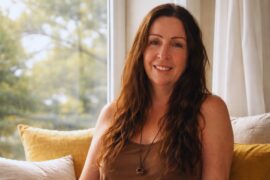
Tish, from Flux and Flow Homeopathy, is focused on helping bring this understanding into the mainstream and making homeopathy more accessible for families who may benefit from this approach.

There are times in parenting when behaviour starts to feel bigger than anything you can explain, when the days become harder to manage, and you find yourself questioning everything you thought you knew about your child.
It can start with behaviour that feels hard to explain. A child who struggles with transitions, emotions that rise quickly and feel explosive, restlessness that never quite settles, or a sense that their system is either fully on or completely out of whack.
Alongside this, there can also be physical signs that do not always seem connected at first. Sleep that is unsettled, recurring illness, gut issues, skin flare ups. What often gets missed is that these expressions rarely sit in isolation. They tend to overlap and influence each other, contributing to a bigger picture that goes beyond behaviour alone.
This is the time when families begin looking for answers, whether through diagnosis, countless hours researching and implementing all sorts of strategies or simply trying to make sense of what they are seeing.
At the same time, there is the parent experiencing the thick of it. Many describe feeling constantly on alert, as though they are always bracing for the next reaction. There can be exhaustion from repetition, uncertainty around how to respond, and a growing sense of tension in the home. Over time, it can feel like a cycle where everyone is feeding off each other’s energy.
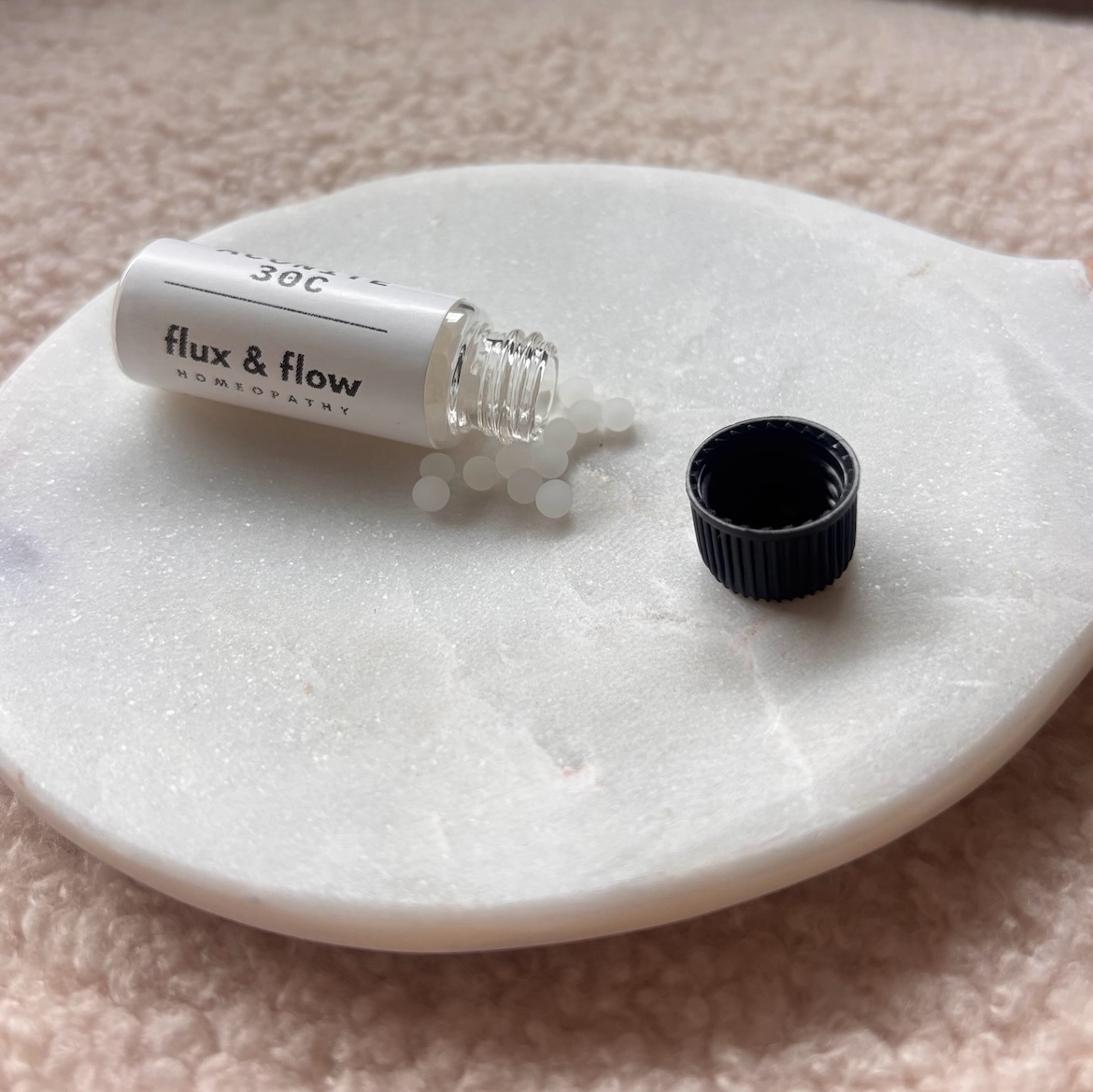
A homeopath will often consider how what is showing up in a child can reflect what is also sitting within the parent, whether that is stress, unresolved grief, or emotional load that has not yet had space to be processed. During pregnancy, babies can also be influenced by the environment they are developing in, and these early experiences can shape how their system responds later on. Even when we think we are holding it together, children can often feel more than we realise.
This is not about blame, but about awareness. In some cases, supporting the parent alongside the child, or even beforehand, can create a noticeable shift as the overall dynamic begins to settle. This is where homeopathy can really shine, helping to uncover what may be sitting beneath the surface.
From a homeopathic perspective, the focus shifts away from isolated behaviours and towards the overall pattern. These expressions are not viewed as separate issues to manage, but as part of a wider communication from the system as a whole. The focus is not on labelling the child, but on understanding the individual in front of you. Two children may appear similar on the surface, but the way things show up, what triggers them, and how they move through it can be completely different from one individual to another.